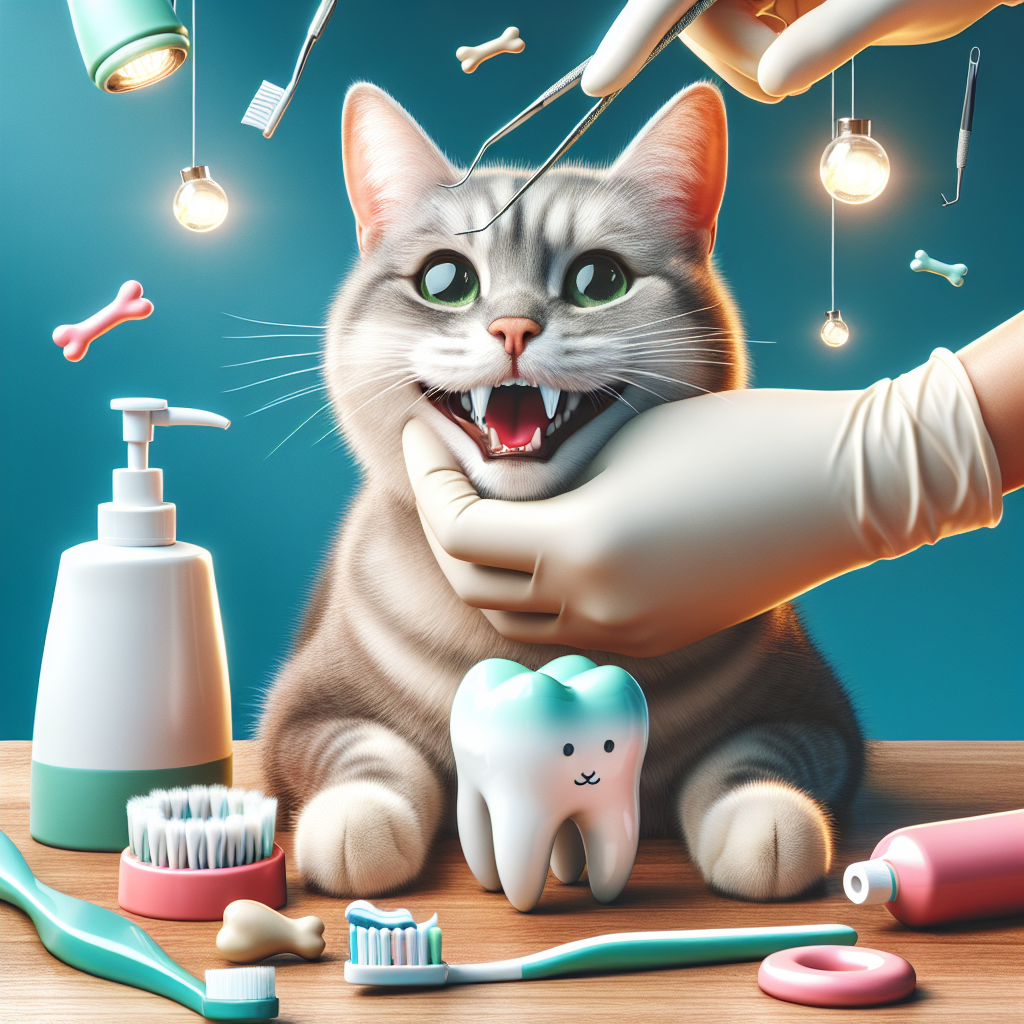
Ensuring your cat has a healthy smile is an essential aspect of their overall well-being. Cats, like humans, are susceptible to dental issues that can lead to pain, infection, and even systemic health problems if left untreated. Unfortunately, dental care is often one of the most overlooked aspects of feline health. In this article, we will explore top cat dental care tips to help you maintain your feline friend’s oral health and keep those pearly whites shining.
Understanding Feline Dental Health
Before diving into dental care tips, it’s crucial to understand the basics of feline dental health. Cats have 30 adult teeth, which they typically have by the time they reach six months of age. These teeth are designed for cutting and tearing, reflecting their carnivorous nature. However, just like humans, cats can suffer from dental problems such as plaque buildup, tartar, gingivitis, and periodontal disease.
Common Dental Problems in Cats
Dental issues are prevalent in cats, especially as they age. Some of the most common problems include:
Plaque and Tartar
Plaque is a soft, sticky film of bacteria that forms on teeth. If not removed, it hardens into tartar, which can lead to more serious dental issues.
Gingivitis
Gingivitis is the inflammation of the gums caused by plaque buildup. It can cause redness, swelling, and bleeding of the gums.
Periodontal Disease
This is a severe gum disease that affects the tissues surrounding the teeth. It can lead to tooth loss and infections that may impact other organs.
Tooth Resorption
A painful condition where the tooth structure breaks down and is absorbed by the cat’s body. It’s common in cats and often requires veterinary intervention.
Top Cat Dental Care Tips
1. Regular Dental Check-ups
Schedule routine dental exams with your veterinarian. Regular check-ups can help detect dental problems early and prevent them from becoming more serious. Your vet will typically recommend a dental cleaning if necessary, which involves removing plaque and tartar under anesthesia.
2. Brush Your Cat’s Teeth
Brushing your cat’s teeth is one of the most effective ways to prevent plaque buildup. Use a cat-specific toothbrush and toothpaste, as human toothpaste can be toxic to cats. Start slowly, allowing your cat to get used to the process, and aim to brush at least a few times a week.
3. Use Dental Treats and Toys
Dental treats and toys are designed to help reduce plaque and tartar through chewing. Look for products with the Veterinary Oral Health Council (VOHC) seal, which indicates they meet standards for effectiveness in controlling plaque and tartar.
4. Provide a Nutritious Diet
A balanced diet is essential for overall health, including oral health. Some cat foods are specifically formulated to promote dental health. Consult your veterinarian for recommendations on the best diet for your cat’s dental needs.
5. Use Water Additives
Water additives can be a useful tool in maintaining oral hygiene. These products are added to your cat’s drinking water and help reduce plaque and freshen breath. Ensure any product you choose is safe for cats.
6. Monitor for Signs of Dental Issues
Keep an eye out for signs of dental problems, such as bad breath, drooling, difficulty eating, bleeding gums, or pawing at the mouth. If you notice any of these signs, schedule a veterinary visit promptly.
Importance of Early Detection
Early detection of dental problems is crucial in preventing more severe issues down the line. Regular home checks of your cat’s mouth can help you catch potential problems early. Lift their lips and look for signs of redness, swelling, or tartar buildup. Early intervention can prevent pain and costly dental procedures.
The Role of Genetics in Dental Health
Some cats are more predisposed to dental issues due to their genetics. Breeds such as Siamese, Persian, and Maine Coon are known to have higher incidences of dental problems. If you have a breed prone to dental issues, be extra vigilant with their dental care routine and consult your vet regularly.
Benefits of Professional Dental Cleaning
While home care is vital, professional dental cleanings are sometimes necessary to maintain optimal oral health. These cleanings involve scaling and polishing the teeth under anesthesia, allowing the vet to clean below the gumline where plaque and tartar accumulate. This procedure can prevent periodontal disease and other serious health issues.
Creating a Stress-Free Dental Care Routine
Cats can be notoriously resistant to dental care, but with patience and consistency, you can create a stress-free routine. Start with short sessions and gradually increase the time as your cat becomes more comfortable. Reward them with treats or playtime after each session to create a positive association.
Conclusion
Maintaining your cat’s dental health is a vital part of their overall wellness. By incorporating regular dental check-ups, brushing, and using dental products, you can help prevent dental issues and keep your cat’s smile healthy and bright. Remember, a proactive approach to dental care can lead to a happier, healthier life for your feline companion.
#ChatGPT assisted in the creation of this article.