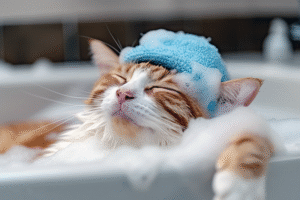
Bringing a kitten into your home is a joyful and rewarding experience. However, it’s essential to ensure that the kitten you are adopting is healthy. A healthy kitten is likely to grow into a healthy adult cat, providing companionship and joy for many years to come. This article will guide you on how to spot a healthy kitten by examining several key indicators, from physical appearance to behavioral signs.
Physical Appearance
One of the first aspects to consider when assessing a kitten’s health is its physical appearance. A healthy kitten should have a clean, shiny coat, bright eyes, and a well-proportioned body. Below are some detailed indicators:
Coat Condition
A kitten’s coat is a good indicator of its overall health. The fur should be soft, clean, and free of bald spots. A shiny coat often signifies that the kitten is well-nourished and free of parasites. If you notice any dandruff, excessive shedding, or a dull coat, this could be a sign of nutritional deficiencies or skin issues.
Eyes and Ears
Healthy kittens have bright, clear eyes with no discharge. Watery or crusty eyes can indicate an infection or allergy. It’s also important to check the ears for cleanliness. Healthy ears are clean and pink, with no odor or excessive wax. A strong odor or dark wax can suggest ear mites or an infection.
Nose and Mouth
The nose of a healthy kitten should be clean and slightly moist. Any discharge, sneezing, or crusting can be a sign of respiratory issues. The mouth and gums should be pink and the teeth white. Pale gums or bad breath might indicate health problems such as anemia or dental disease.
Body Condition
Observe the kitten’s body condition. A healthy kitten is neither too thin nor too plump. You should be able to feel the ribs but not see them prominently. The kitten should appear active and playful. Lethargy, weakness, or an unsteady gait can be signs of underlying health issues.
Behavioral Indicators
A kitten’s behavior can also provide significant clues about its health. A healthy kitten is typically curious, playful, and responsive to its environment. Here are some behavioral indicators to consider:
Activity Level
Kittens are naturally energetic and playful. A healthy kitten will engage in play, explore its surroundings, and interact with people and other animals. If a kitten seems overly tired, disinterested, or inactive, it may be experiencing health problems.
Social Interaction
Observe how the kitten interacts with humans and other pets. A well-socialized kitten should be comfortable being handled and show curiosity about its environment. Excessive shyness or aggression may be indicative of behavioral issues or health problems.
Appetite and Elimination
Healthy kittens have a good appetite and eat regularly. Monitor the kitten’s eating habits to ensure it is consuming a balanced diet. Additionally, check for normal urination and defecation. Diarrhea, constipation, or irregular elimination patterns can be signs of digestive issues.
Health History and Veterinary Care
Understanding a kitten’s health history and ensuring it receives regular veterinary care are crucial in maintaining its well-being. Here’s what to consider:
Vaccinations and Deworming
Ensure the kitten is up-to-date with vaccinations and has been dewormed. Vaccinations protect against common feline diseases, while deworming prevents internal parasites that can affect a kitten’s health. A veterinarian can provide a schedule for these essential preventive measures.
Veterinary Check-ups
Regular veterinary check-ups are essential for monitoring a kitten’s health and catching potential issues early. A veterinarian can conduct a thorough examination and provide necessary treatments. Keep a record of all veterinary visits for future reference.
Spaying or Neutering
Discuss with your veterinarian the appropriate age for spaying or neutering your kitten. This procedure not only prevents unwanted litters but also contributes to a kitten’s long-term health by reducing the risk of certain diseases and behavioral issues.
Environment and Lifestyle
A kitten’s environment and lifestyle significantly impact its health. Providing a safe, stimulating, and nurturing environment is crucial for a kitten’s development.
Safe Living Space
Ensure the kitten’s living space is safe and free from hazards. Remove any toxic plants, secure windows, and keep dangerous objects out of reach. A safe environment reduces the risk of accidents and injuries.
Enrichment and Play
Provide plenty of toys and opportunities for play to stimulate the kitten’s mind and body. Interactive toys, climbing structures, and scratching posts are excellent for keeping a kitten entertained and helping it develop physical skills.
Nutrition
Feeding a kitten a balanced and nutritious diet is essential for its growth and development. Consult with a veterinarian to choose the right food based on the kitten’s age and health needs. Ensure fresh water is always available.
Conclusion
Spotting a healthy kitten involves assessing both physical and behavioral indicators. By paying close attention to a kitten’s coat, eyes, ears, nose, mouth, body condition, and behavior, you can gain valuable insights into its health. Additionally, regular veterinary care, a safe environment, and proper nutrition are vital components of maintaining a kitten’s well-being. By taking these steps, you are setting the foundation for a long, healthy, and happy life for your new feline companion.
#ChatGPT assisted in the creation of this article.