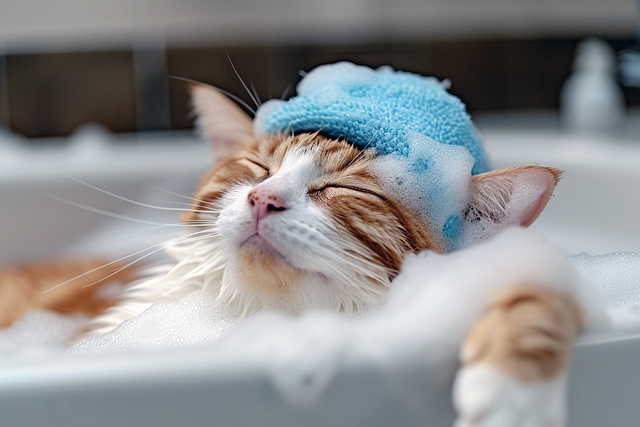
Bathing a kitten can be a daunting task for many pet owners, especially for those who are new to the world of feline care. Kittens, with their delicate bodies and sensitive skin, require extra caution and care during bath time. This comprehensive guide will walk you through the essentials of safely bathing your kitten, ensuring that the experience is as stress-free as possible for both you and your furry friend.
Understanding When to Bathe Your Kitten
Not every kitten needs regular baths. Cats are generally adept at grooming themselves, and excessive bathing can strip their skin of natural oils. However, there are circumstances when a bath becomes necessary:
Fleas and Parasites
If your kitten has fleas, bathing can be an effective way to remove these pests. Use a flea shampoo designed specifically for kittens.
Sticky or Dirty Fur
Kittens can sometimes get into sticky situations, literally. If your kitten’s fur is matted with dirt or sticky substances, a bath may be warranted.
Medical Reasons
Certain skin conditions may require medicated baths as prescribed by a veterinarian.
Preparing for the Bath
Before you begin, gather all the necessary supplies. Preparation is key to making the bathing process smooth and efficient.
Supplies You’ll Need
– **Kitten-Friendly Shampoo**: Always use a shampoo specifically formulated for kittens.
– **Towel**: Have a soft, absorbent towel ready to dry your kitten post-bath.
– **Non-Slip Mat**: Place a non-slip mat in the sink or tub to prevent slipping.
– **Cup or Gentle Sprayer**: For rinsing the shampoo off your kitten.
– **Comb**: To gently detangle fur after the bath.
– **Treats**: To reward your kitten for good behavior.
Setting Up the Bathing Area
Choose a warm, draft-free room to bathe your kitten. The bathroom is often ideal, as it can be easily cleaned and offers a contained space.
– **Temperature**: Ensure the water temperature is lukewarm. Kittens are sensitive to temperature extremes.
– **Water Level**: Fill the sink or tub with just a few inches of water. The water should be shallow enough that your kitten can stand without feeling submerged.
The Bathing Process
Step 1: Calm Your Kitten
Before placing your kitten in the water, spend a few minutes petting and talking to them in a soothing voice. This helps to calm any anxiety they may have.
Step 2: Gently Place Your Kitten in the Water
Slowly lower your kitten into the water, hind legs first. Use one hand to support their body while the other hand gently wets their fur.
Step 3: Apply Shampoo
Pour a small amount of kitten shampoo into your hand, then gently massage it into your kitten’s fur. Be cautious around the eyes, ears, and mouth. Use a soft cloth to clean these sensitive areas if needed.
Step 4: Rinse Thoroughly
Use a cup or gentle sprayer to rinse the shampoo out, starting from the head and working your way down to the tail. Ensure all shampoo is rinsed out to prevent skin irritation.
Step 5: Dry Your Kitten
Wrap your kitten in a soft towel and gently pat them dry. Avoid rubbing vigorously, as this can be uncomfortable for your kitten. If your kitten tolerates it, you can use a blow dryer on the lowest setting. Keep the dryer at a safe distance and never blow directly into the face.
After the Bath
Brushing and Grooming
Once your kitten is mostly dry, use a comb to gently detangle their fur. This helps prevent matting and stimulates the skin.
Reward Your Kitten
Offer your kitten a treat or some playtime to reward them for their cooperation. This positive reinforcement can make future baths more manageable.
Common Challenges and Solutions
Fear of Water
Many kittens are naturally wary of water. To ease their fear, gradually introduce them to the sensation of water by wetting only their paws at first.
Squirming or Resistance
If your kitten is particularly squirmy, enlist the help of another person to gently hold them while you focus on the washing.
Accidental Scratches
Kittens may try to claw their way out of the bath. Trim their nails before the bath to minimize the risk of scratches.
Conclusion
Bathing a kitten requires patience, preparation, and a gentle touch. By following the steps outlined in this guide, you can ensure a safe and comfortable bath time for your kitten. Remember that every kitten is unique, and it may take a few tries to find the approach that works best for you and your furry companion. With time and practice, bath time can become a bonding experience that strengthens the relationship between you and your kitten.
#ChatGPT assisted in the creation of this article.