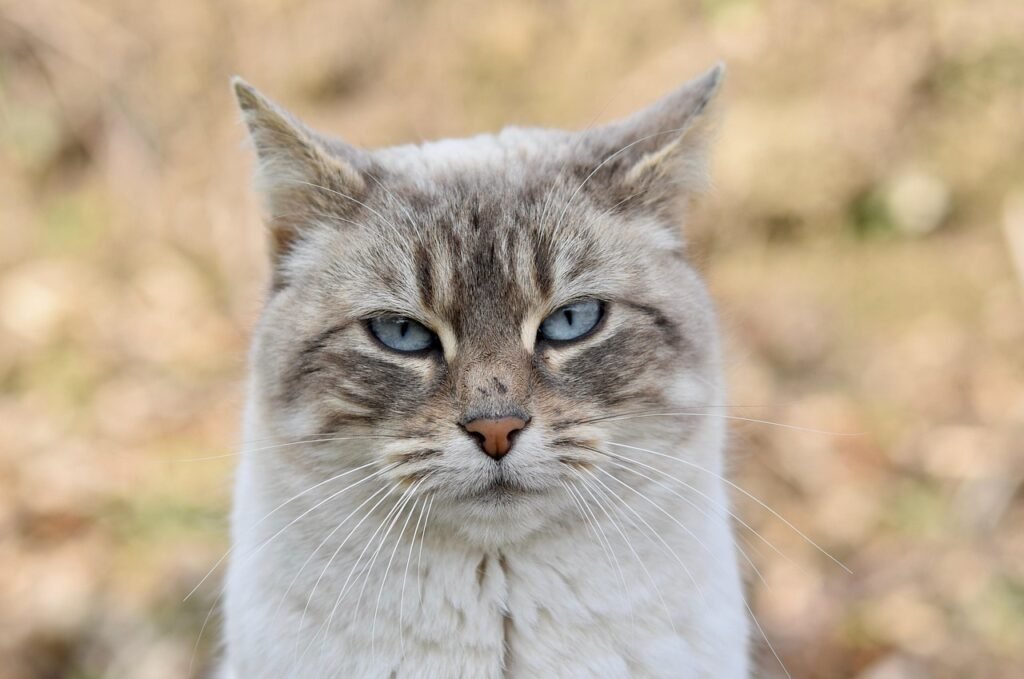
Arthritis is a common ailment among senior cats, often leading to discomfort and reduced mobility. As cats age, they can develop osteoarthritis, a degenerative joint disease that affects their quality of life. Understanding and implementing effective arthritis treatments can significantly improve the well-being of your feline friend. This article delves into various treatment options, ranging from medication to lifestyle changes, that can help manage arthritis in senior cats.
Understanding Arthritis in Cats
Arthritis in cats is characterized by the inflammation of joints, leading to pain and stiffness. It is often caused by the wear and tear of cartilage that cushions the joints, which can be exacerbated by factors such as obesity, previous injuries, or genetic predisposition. Recognizing the symptoms of arthritis in cats is the first step towards effective treatment.
Symptoms of Arthritis in Cats
Cats are adept at hiding pain, which can make it challenging to detect arthritis early. However, some common symptoms include:
– Reduced activity levels
– Difficulty jumping or climbing stairs
– Limping or favoring one leg
– Stiffness, especially after resting
– Changes in grooming habits
– Irritability or changes in behavior
If you notice any of these signs, consult your veterinarian for a thorough examination and diagnosis.
Medical Treatments
Medical treatments for feline arthritis focus on pain relief and improving joint function. Your veterinarian can recommend the most appropriate medications based on the severity of your cat’s condition.
Non-Steroidal Anti-Inflammatory Drugs (NSAIDs)
NSAIDs are commonly prescribed to reduce inflammation and alleviate pain in arthritic cats. While effective, these drugs should be used under strict veterinary supervision, as they can have side effects on the liver and kidneys.
Analgesics
Analgesics, or pain relievers, are another option for managing arthritis pain. Medications like gabapentin can help control chronic pain in cats, providing them with greater comfort.
Joint Supplements
Supplements such as glucosamine and chondroitin can support joint health by promoting cartilage repair and reducing inflammation. Omega-3 fatty acids, found in fish oil, also have anti-inflammatory properties that can benefit arthritic cats.
Alternative Therapies
In addition to conventional medical treatments, alternative therapies can play a significant role in managing arthritis in senior cats.
Acupuncture
Acupuncture involves the insertion of thin needles into specific points on the body to relieve pain and promote healing. This ancient practice can be effective in reducing arthritis symptoms and improving mobility in cats.
Laser Therapy
Laser therapy uses light energy to stimulate cell regeneration and reduce inflammation. It is a non-invasive treatment option that can provide significant relief for arthritic cats.
Physical Therapy
Physical therapy for cats includes exercises and massages that can help maintain muscle strength and flexibility. Gentle stretching and range-of-motion exercises can improve joint function and reduce stiffness.
Dietary Management
Proper nutrition plays a crucial role in managing arthritis in cats. A balanced diet can help maintain a healthy weight and provide essential nutrients for joint health.
Weight Management
Excess weight puts additional strain on your cat’s joints, exacerbating arthritis symptoms. A veterinarian can help you create a weight management plan that includes a calorie-controlled diet and regular exercise.
Specialized Diets
Some commercial pet food brands offer specialized diets formulated for joint health. These diets may contain added glucosamine, chondroitin, and omega-3 fatty acids to support joint function.
Environmental Modifications
Making changes to your cat’s environment can help reduce arthritis-related discomfort and improve their quality of life.
Accessible Litter Boxes
Ensure that litter boxes are easily accessible for your cat. Consider using low-sided boxes or those with ramps to make entry and exit easier for arthritic cats.
Comfortable Sleeping Areas
Provide soft, supportive bedding in easily accessible locations. Heated beds can offer additional comfort by soothing sore joints.
Easy Access to Elevated Areas
If your cat enjoys perching on windowsills or furniture, provide ramps or steps to help them reach these spots without jumping.
Regular Veterinary Check-Ups
Regular veterinary check-ups are essential for monitoring your cat’s arthritis and adjusting treatment plans as needed. Your veterinarian can assess the effectiveness of current treatments, recommend new options, and perform routine blood tests to ensure your cat’s overall health.
Conclusion
Managing arthritis in senior cats requires a comprehensive approach that combines medical treatments, alternative therapies, dietary management, and environmental modifications. By working closely with your veterinarian and making thoughtful changes to your cat’s care routine, you can help alleviate their discomfort and enhance their quality of life. With the right treatment plan, your senior cat can continue to enjoy their golden years with comfort and mobility.
#ChatGPT assisted in the creation of this article.