Cats are beloved companions, known for their independent personalities and affectionate nature. As cat owners, it is our responsibility to ensure their safety and well-being, particularly when it comes to their diet. While cats are naturally curious creatures, their curiosity can sometimes lead them to consume foods that are harmful, or even toxic, to their health. In this article, we will explore some of the top toxic foods that cat owners should be aware of to protect their feline friends.
Chocolate
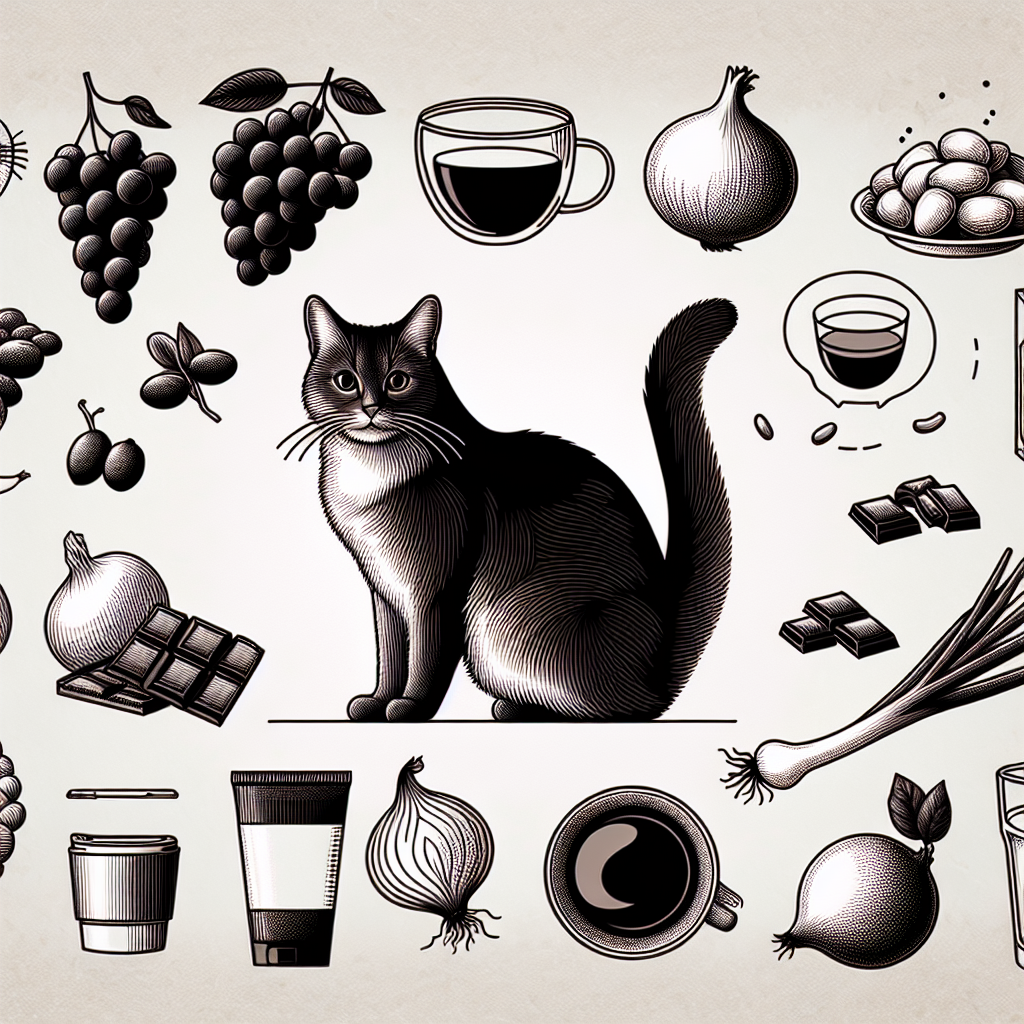
Chocolate is a popular treat for humans, but it is highly toxic to cats. Theobromine and caffeine, both found in chocolate, can cause a range of health issues in cats, including vomiting, diarrhea, rapid breathing, increased heart rate, and even seizures. Dark chocolate and baking chocolate contain higher concentrations of these compounds, making them particularly dangerous. It is crucial to keep all forms of chocolate away from your cat’s reach.
Grapes and Raisins
Grapes and raisins, while healthy for humans, can be extremely harmful to cats. Consumption of even small amounts can lead to kidney failure in cats. Symptoms of grape or raisin toxicity include vomiting, lethargy, and loss of appetite. If you suspect your cat has ingested grapes or raisins, it is essential to seek veterinary care immediately.
Onions and Garlic
Onions and garlic, whether raw, cooked, or powdered, contain compounds that can damage a cat’s red blood cells, leading to anemia. Ingesting even small amounts can be harmful. Symptoms of onion or garlic toxicity include weakness, lethargy, and pale gums. It is best to avoid feeding your cat any food that contains these ingredients.
Alcohol
Alcohol consumption can be extremely dangerous for cats. Even small amounts can cause ethanol poisoning, leading to symptoms such as vomiting, disorientation, difficulty breathing, and in severe cases, coma or death. It is crucial to ensure that any alcoholic beverages are kept out of your cat’s reach at all times.
Caffeine
Caffeine, found in coffee, tea, and many energy drinks, is highly toxic to cats. It can lead to restlessness, rapid breathing, heart palpitations, muscle tremors, and seizures. Cats are more sensitive to caffeine than humans, so it is vital to prevent them from accessing any caffeinated products.
Raw Eggs
While some pet owners might consider raw eggs a natural food source, they can pose significant health risks to cats. Raw eggs may contain Salmonella or E. coli bacteria, which can lead to food poisoning. Additionally, raw egg whites contain avidin, an enzyme that interferes with the absorption of biotin, a B vitamin essential for healthy skin and coat.
Raw Fish
Raw fish, particularly raw salmon, can contain harmful bacteria and parasites that may cause food poisoning in cats. Additionally, raw fish contains an enzyme called thiaminase, which breaks down thiamine (vitamin B1), potentially leading to a deficiency. Thiamine deficiency can result in neurological issues, including seizures and muscle weakness.
Milk and Dairy Products
Contrary to popular belief, many cats are lactose intolerant, meaning they lack the enzyme necessary to digest lactose, the sugar found in milk. Consuming milk and other dairy products can lead to digestive upset, including diarrhea and stomach pain. It is best to provide your cat with lactose-free alternatives if you wish to offer them milk.
Xylitol
Xylitol is a sugar substitute commonly found in sugar-free gum, candy, and baked goods. While xylitol is safe for humans, it can be extremely toxic to cats. Ingesting xylitol can cause a rapid release of insulin, leading to hypoglycemia (low blood sugar), seizures, and liver failure. Ensure that any products containing xylitol are kept out of your cat’s reach.
Bones
While bones might seem like a natural treat for cats, they can pose significant risks. Small bones, or bone fragments, can cause choking, blockages, or tears in the digestive tract. Cooking bones also makes them more brittle, increasing the likelihood of splintering. It is best to provide your cat with safe, commercially prepared treats designed specifically for feline consumption.
Fat Trimmings
Feeding your cat fat trimmings from meat can lead to obesity and pancreatitis, a painful and potentially life-threatening inflammation of the pancreas. Instead of offering fat trimmings, opt for lean meats or specially formulated cat foods that provide balanced nutrition.
Yeast Dough
Unbaked yeast dough can expand in a cat’s stomach, causing gas and potentially leading to bloat or a twisted stomach, which can be life-threatening. Additionally, as the yeast ferments, it produces alcohol, which can cause alcohol poisoning. It is crucial to keep unbaked dough away from your cat’s reach.
Conclusion
Protecting your cat’s health involves being mindful of the foods they consume. By understanding which foods are toxic to cats and taking steps to prevent exposure, you can help ensure your feline friend remains healthy and happy. Always consult with your veterinarian if you suspect your cat has ingested a toxic substance, and seek immediate medical attention if necessary. Remember, a safe and balanced diet is key to your cat’s long-term well-being.
#ChatGPT assisted in the creation of this article.