Cats are known for their natural grooming habits, but even the most meticulous feline can benefit from a little human assistance. Grooming is not only about maintaining a cat’s physical appearance but also plays a crucial role in their overall health and well-being. Regular grooming sessions can help prevent health issues, reduce stress, and strengthen the bond between you and your cat. In this article, we will delve into essential cat grooming tips that will help ensure your feline friend remains healthy and happy.
The Importance of Cat Grooming
Grooming is an essential aspect of a cat’s life. While cats spend a considerable amount of time grooming themselves, they still require human intervention for optimal grooming. Regular grooming helps to:
- Prevent hairballs by reducing the amount of loose fur that cats ingest.
- Stimulate blood circulation, which promotes healthy skin and a shiny coat.
- Reduce the risk of skin infections and parasites by keeping the fur clean and free of debris.
- Identify potential health issues early, such as lumps, bumps, or skin irritations.
- Strengthen the bond between you and your cat, as grooming can be a relaxing and enjoyable experience for both parties.
Essential Cat Grooming Tools
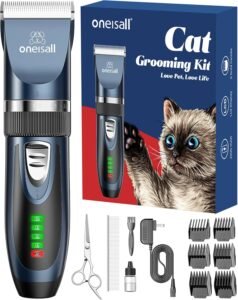
Before embarking on a grooming session, it’s essential to have the right tools on hand. Here’s a list of must-have grooming tools for cat owners:
- Brushes and Combs: Depending on your cat’s coat type, you may need a variety of brushes and combs. A slicker brush is great for removing loose fur, while a wide-tooth comb can help detangle knots in long-haired cats.
- Nail Clippers: Regular nail trimming is crucial to prevent overgrown nails and related injuries. Choose a pair of clippers specifically designed for cats.
- Pet-Safe Shampoo: While cats don’t need frequent baths, it’s good to have a gentle, pet-safe shampoo on hand for those occasional cleaning needs.
- Ear Cleaner: Regular ear checks and cleaning can prevent infections and ear mites.
- Toothbrush and Cat Toothpaste: Oral hygiene is often overlooked but is vital for your cat’s overall health.
Brushing Your Cat
Brushing is perhaps the most common form of grooming and is essential for all cats, regardless of their coat length. Here’s how to effectively brush your cat:
Choose the Right Brush
Each cat has a unique coat type, so it’s important to select a brush that suits your cat’s needs. A rubber brush is ideal for short-haired cats, while a bristle brush or undercoat rake is better suited for long-haired breeds.
Start Slowly
If your cat is not accustomed to being brushed, start slowly. Allow your cat to sniff and get used to the brush before you begin. Gradually introduce brushing sessions, starting with short, gentle strokes and gradually increasing their length and intensity.
Focus on Problem Areas
Pay special attention to areas where mats and tangles are likely to form, such as behind the ears, under the legs, and around the tail. Be gentle when working through knots to prevent discomfort or injury.
Make it a Positive Experience
To ensure grooming is a positive experience, offer treats and praise throughout the session. If your cat becomes stressed or agitated, take a break and try again later.
Nail Trimming
Regular nail trimming is vital for your cat’s health and comfort. Overgrown nails can cause pain and even lead to infections. Here’s how to trim your cat’s nails safely:
Familiarize Your Cat with the Clippers
Before attempting to trim your cat’s nails, allow them to sniff and become accustomed to the clippers. You can also practice holding their paws to get them used to the sensation.
Find the Right Position
Hold your cat in a comfortable position, either on your lap or on a stable surface. Ensure your cat feels secure and relaxed before you begin.
Trim Carefully
Gently press on your cat’s paw to extend the nail, then carefully trim the tip, avoiding the quick (the pink part of the nail that contains blood vessels). If you’re unsure, trim only a small amount and consult a veterinarian for guidance.
Cleaning Your Cat’s Ears
Regular ear cleaning is essential to prevent infections and ear mites. Here’s how to safely clean your cat’s ears:
Use a Cat-Safe Ear Cleaner
Choose an ear cleaner specifically designed for cats. Never use products intended for humans, as they may be too harsh for your cat’s delicate ears.
Check for Signs of Infection
Before cleaning, examine your cat’s ears for signs of infection, such as redness, swelling, or a foul odor. If you notice any of these symptoms, consult your veterinarian before proceeding with cleaning.
Apply the Cleaner
Gently lift your cat’s ear flap and apply a few drops of ear cleaner into the ear canal. Massage the base of the ear to distribute the cleaner, then allow your cat to shake its head to remove excess fluid.
Wipe Away Debris
Use a clean cotton ball or soft cloth to wipe away any debris or cleaner from the outer ear. Avoid using cotton swabs, as they can push debris further into the ear canal.
Dental Care for Cats
Oral hygiene is a vital aspect of cat grooming that is often neglected. Dental issues can lead to more serious health problems, so it’s essential to incorporate dental care into your grooming routine:
Brush Your Cat’s Teeth
Use a toothbrush and toothpaste specifically designed for cats. Introduce toothbrushing gradually, allowing your cat to become familiar with the taste and texture of the toothpaste.
Monitor for Dental Issues
Regularly check your cat’s teeth and gums for signs of dental problems, such as redness, swelling, or bad breath. If you notice any issues, consult your veterinarian for advice.
Provide Dental Treats
Dental treats and toys can help reduce plaque and tartar buildup. Incorporate these into your cat’s routine to support their oral health.
Bathing Your Cat
While most cats are adept at keeping themselves clean, there are times when a bath may be necessary. Here’s how to bathe your cat safely:
Use a Cat-Safe Shampoo
Choose a mild, cat-safe shampoo that is free of harsh chemicals. Human shampoos can be too harsh for cats and may cause skin irritation.
Keep the Water Warm
Ensure the water temperature is warm but not too hot. Test it with your wrist to ensure it’s comfortable for your cat.
Be Gentle and Reassuring
Wet your cat slowly, starting from the neck and working downwards. Avoid getting water in their eyes, ears, and nose. Use gentle strokes and speak softly to reassure your cat throughout the process.
Dry Thoroughly
After the bath, wrap your cat in a warm, soft towel and gently pat them dry. Avoid using a hairdryer, as the noise can be stressful for cats.
Conclusion
Grooming is an essential part of maintaining your cat’s health and well-being. By following these grooming tips, you can help prevent health issues, reduce stress, and strengthen the bond between you and your feline friend. Remember to be patient and gentle, and always prioritize your cat’s comfort and safety. With regular grooming, your cat will not only look their best but also enjoy a healthier and happier life.
#ChatGPT assisted in the creation of this article.