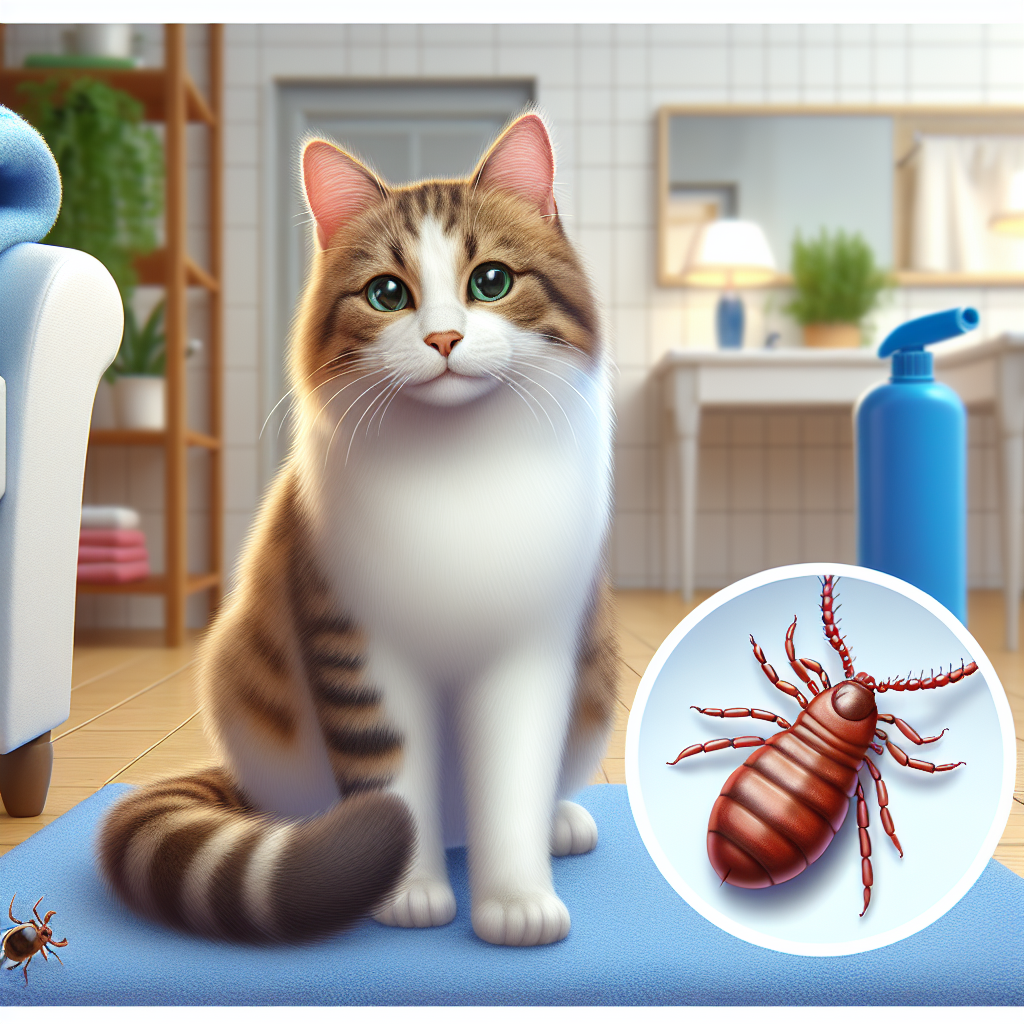
Keeping your feline friend free from parasites is a critical aspect of ensuring their overall health and well-being. Parasites, both internal and external, can cause a myriad of health issues for cats, ranging from mild discomfort to severe diseases. This article delves into effective parasite prevention strategies that can help maintain your cat’s health and enhance their quality of life.
Understanding Common Parasites in Cats
Before diving into prevention strategies, it’s essential to understand the types of parasites that commonly affect cats. These can be broadly categorized into two groups: external and internal parasites.
External Parasites
External parasites live on the skin or in the fur of cats and include:
- Fleas: These are the most common external parasites. Fleas can cause itching, irritation, and allergic reactions in cats. They can also carry tapeworms and cause anemia in severe infestations.
- Ticks: Ticks are less common in cats but can transmit diseases such as Lyme disease and ehrlichiosis.
- Mites: Ear mites and mange mites can cause skin irritation, infections, and discomfort.
Internal Parasites
Internal parasites live inside the host and include:
- Roundworms: These intestinal parasites are common in kittens and can cause diarrhea and a bloated abdomen.
- Hookworms: These can cause anemia and weight loss due to their blood-feeding habits.
- Tapeworms: Cats acquire tapeworms through flea ingestion, leading to weight loss and digestive issues.
- Heartworms: Although more common in dogs, heartworms can also affect cats, leading to respiratory issues.
Effective Parasite Prevention Strategies
Preventing parasites in cats requires a multi-faceted approach that combines regular veterinary care with at-home preventive measures.
Regular Veterinary Check-Ups
Routine veterinary visits are crucial for early detection and prevention of parasites. During these visits, veterinarians can conduct fecal examinations, blood tests, and physical examinations to identify any signs of parasitic infections.
Use of Preventive Medications
Veterinarians can recommend and prescribe preventive medications that protect against both external and internal parasites. These medications can be in the form of topical treatments, oral tablets, or injections.
- Flea and Tick Preventives: These are available as topical treatments or oral medications and are effective in preventing infestations.
- Heartworm Preventives: Monthly preventives can protect cats from heartworm disease.
- Dewormers: Regular deworming is essential, especially for kittens, to prevent and treat intestinal worms.
Maintaining a Clean Environment
Keeping your cat’s environment clean and hygienic is an effective way to prevent parasites.
- Regular Cleaning: Vacuum your home frequently to remove flea eggs and larvae. Wash your cat’s bedding and toys regularly.
- Litter Box Hygiene: Clean the litter box daily to prevent the spread of parasites and maintain a healthy environment.
Outdoor Safety
If your cat ventures outdoors, take precautions to minimize their exposure to parasites.
- Supervised Outdoor Time: Limit your cat’s outdoor time and supervise them to prevent encounters with other animals that may carry parasites.
- Secure Outdoor Areas: Ensure that your garden or yard is secure to prevent stray animals from entering and potentially bringing parasites.
Diet and Nutrition
A healthy diet can strengthen your cat’s immune system, making them less susceptible to parasites.
- High-Quality Diet: Feed your cat a balanced diet with high-quality protein to boost their immune system.
- Hydration: Ensure your cat has access to fresh water at all times to support their overall health.
Recognizing Signs of Parasitic Infections
Even with preventive measures, cats can still contract parasites. It’s crucial to recognize the signs of parasitic infections to seek timely veterinary care.
- Scratching and Itching: Excessive scratching or grooming can indicate external parasites like fleas or mites.
- Weight Loss and Vomiting: Sudden weight loss, vomiting, or diarrhea can signify internal parasites such as worms.
- Visible Parasites: Observing fleas, ticks, or worms in feces or vomit is a clear indicator.
- Respiratory Issues: Coughing and difficulty breathing can be symptoms of heartworm infection.
Conclusion
Effective parasite prevention is key to maintaining your cat’s health and well-being. By understanding the common parasites that affect cats and implementing comprehensive preventive strategies, you can protect your feline friend from potential health issues. Regular veterinary care, the use of preventive medications, maintaining a clean environment, and ensuring a nutritious diet are all vital components of a successful parasite prevention plan. Stay vigilant and proactive, and your cat will enjoy a happy, healthy life free from the discomfort of parasites.
#ChatGPT assisted in the creation of this article.