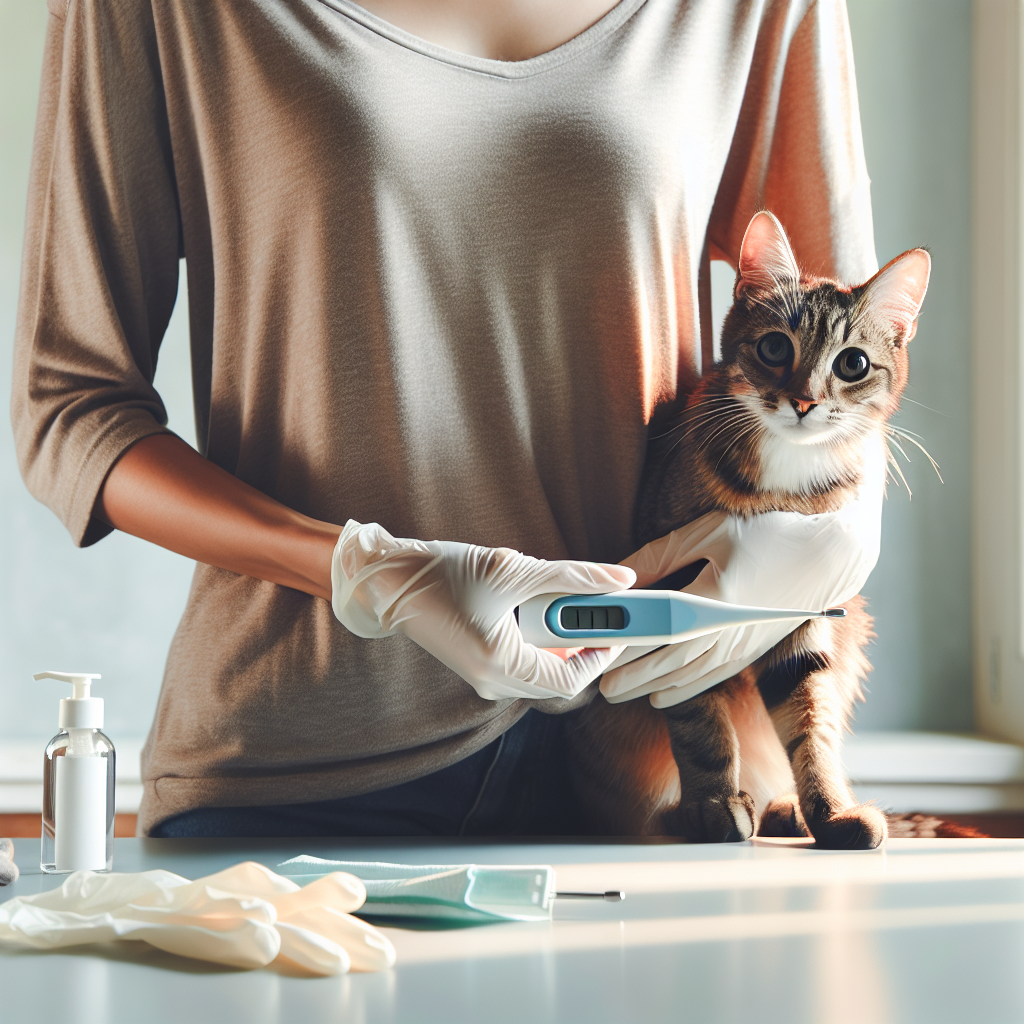
As a responsible cat owner, monitoring your feline friend’s health is crucial. One important aspect of this is knowing how to accurately check your cat’s temperature. A cat’s normal body temperature is slightly higher than that of humans, ranging from 100.4°F to 102.5°F (38°C to 39.2°C). Identifying deviations from this range can be a vital indicator of your cat’s health status. This guide will provide you with comprehensive steps and tips to accurately measure your cat’s temperature and understand what it means for their health.
Why Checking Your Cat’s Temperature is Important
Temperature changes in cats can indicate various health issues. A fever might suggest an infection or an inflammatory condition, while low temperatures can signal shock or hypothermia. Regularly checking your cat’s temperature helps detect these issues early, allowing for timely veterinary intervention.
Tools Needed to Check Your Cat’s Temperature
To accurately check your cat’s temperature, you’ll need the following tools:
- Digital Rectal Thermometer: This is the most accurate tool for measuring your cat’s temperature. Ensure it is designed for pet use, as they are typically more durable and flexible.
- Petroleum Jelly or Water-Based Lubricant: This helps ease the insertion of the thermometer.
- Disposable Gloves: Use gloves for hygiene purposes during the process.
- Soft Cloth or Towel: To help restrain your cat comfortably during the temperature-taking process.
- Alcohol Swabs: These are for cleaning the thermometer before and after use.
Steps to Take Your Cat’s Temperature
Prepare Your Cat
Begin by ensuring your cat is calm. You may want to have a second person to help hold your cat. Gently wrap your cat in a towel, leaving only the rear exposed. This helps reassure your cat and minimizes movement.
Lubricate the Thermometer
Apply a small amount of petroleum jelly or water-based lubricant to the tip of the thermometer. This will make the process more comfortable for your cat.
Insert the Thermometer
With your cat’s rear exposed, gently lift the tail and slowly insert the thermometer into the rectum. You should insert it about 1 inch (2.5 cm) deep. Be gentle and ensure your cat remains calm and still during this process.
Wait for the Reading
Hold the thermometer in place and wait for it to beep, indicating that it has registered a temperature reading. This usually takes about 30 seconds to one minute. Keep your cat calm during this time by speaking softly or petting gently.
Remove and Read the Thermometer
Carefully remove the thermometer and check the reading. Remember, a normal temperature is between 100.4°F and 102.5°F (38°C to 39.2°C). Clean the thermometer with an alcohol swab immediately after use.
What to Do If Your Cat’s Temperature is Abnormal
Fever
If your cat’s temperature is above 102.5°F (39.2°C), they may have a fever. Monitor your cat for other symptoms such as lethargy, lack of appetite, or vomiting. Contact your veterinarian if the fever persists or if your cat is showing other signs of illness.
Low Temperature
A temperature below 100.4°F (38°C) can be a sign of hypothermia, especially in kittens or older cats. Warm your cat gradually using blankets and ensure they are in a warm environment. Contact your veterinarian immediately if their temperature does not improve.
Tips for Accurate Temperature Measurement
Here are some additional tips to ensure you get the most accurate reading possible:
- Choose the Right Time: Measure your cat’s temperature when they are calm and relaxed. Avoid doing so after exercise or excitement, as this can temporarily elevate their temperature.
- Regular Checks: Regularly checking your cat’s temperature, especially if they have been unwell, helps establish a baseline and track any changes.
- Reward Your Cat: After successfully taking their temperature, reward your cat with a treat or extra affection to make the experience positive.
Alternatives to Rectal Temperature Measurement
While rectal thermometers are the most accurate, some cat owners may prefer less invasive methods:
- Ear Thermometers: These measure the infrared heat waves from the eardrum. They are less invasive but can be less accurate if not positioned correctly.
- Infrared Thermometers: These non-contact thermometers measure the heat emitted from the body, typically from the forehead or ears. They are convenient but can vary in accuracy.
Both alternatives generally provide a good estimate but should be used in consultation with your veterinarian to confirm results.
When to Consult a Veterinarian
Always consult your veterinarian if your cat consistently has a high or low temperature, or if they exhibit symptoms of illness. Professional veterinary advice is vital for accurate diagnosis and treatment.
Conclusion
Regularly checking your cat’s temperature is an essential part of managing their health and wellness. By understanding how to do it accurately and knowing what the readings mean, you can ensure your feline companion remains healthy and happy. Always consult with your veterinarian for advice tailored to your cat’s specific needs, and don’t hesitate to seek professional help when necessary.
#ChatGPT assisted in the creation of this article.