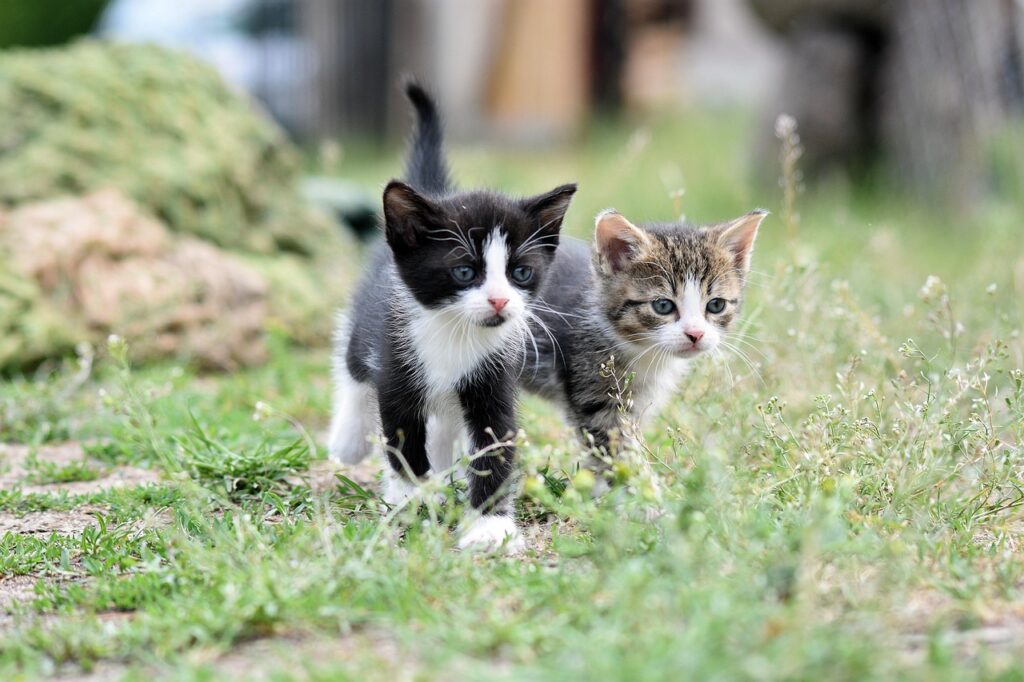
Raising orphaned kittens can be a rewarding yet challenging endeavor. These tiny creatures require specialized care to ensure they grow into healthy, happy cats. Whether you’ve found abandoned kittens or are fostering them, understanding their needs is crucial for their survival and development. This guide provides comprehensive information on how to care for orphaned kittens, covering everything from feeding and hygiene to socialization and health.
Understanding the Needs of Orphaned Kittens
Orphaned kittens lack the maternal care that is crucial during their early weeks of life. Without their mother, they depend entirely on caregivers to meet their basic needs. It’s important to understand these needs to provide adequate care.
Warmth and Comfort
Kittens are unable to regulate their body temperature during the first few weeks of life. Providing a warm environment is essential. Use a heating pad or a warm water bottle wrapped in a towel, ensuring it isn’t too hot to avoid burns. The area should be warm, but the kittens should have enough space to move away if they get too warm.
Nutritional Needs
Newborn kittens require a diet that mimics their mother’s milk. Kitten milk replacer, available at pet stores, is specially formulated to meet these nutritional needs. Cow’s milk should be avoided as it does not provide the necessary nutrients and can cause digestive issues.
Socialization and Emotional Needs
Socialization is crucial for kittens to develop into well-adjusted adult cats. Orphaned kittens might miss out on learning from their mother and littermates, so human interaction is important. Gently handle them regularly, introduce them to different sounds and environments, and provide toys for stimulation.
Feeding Orphaned Kittens
Proper feeding is crucial for the healthy growth of orphaned kittens. Understanding how to feed them appropriately is essential.
How Often to Feed
Newborn kittens require frequent feeding, approximately every 2-3 hours, even during the night. As they grow, the intervals can be gradually extended. By 3-4 weeks, kittens can be fed every 4-6 hours.
How to Feed
Use a kitten feeding bottle or syringe. Ensure the formula is warm (not hot) before feeding. Hold the kitten in a natural, belly-down position and allow it to suckle at its own pace. Avoid force-feeding, which can lead to aspiration and pneumonia.
Weaning Process
Begin introducing solid food around 4 weeks of age. Mix kitten food with formula to form a gruel and offer it on a shallow dish. Gradually reduce the amount of formula and increase solid food over the next few weeks until they are fully weaned by 8 weeks.
Maintaining Hygiene for Orphaned Kittens
Hygiene is vital to prevent infections and promote health in orphaned kittens.
Cleaning and Grooming
Orphaned kittens are unable to groom themselves, so regular cleaning is necessary. Use a damp cloth to gently clean their fur, paying attention to any soiled areas. Brushing with a soft brush helps to stimulate circulation and keep their coat healthy.
Litter Training
At around 3-4 weeks, kittens can start using a litter box. Use a shallow box with non-clumping, unscented litter. Place the kitten in the box after meals and when they wake up, gently guiding their paws through the litter. Consistency is key to successful litter training.
Monitoring Health and Development
It’s important to monitor the health and development of orphaned kittens closely.
Signs of Health Issues
Be vigilant for signs of illness such as lethargy, diarrhea, vomiting, or difficulty breathing. Any of these symptoms warrant immediate veterinary attention. Regular check-ups with a veterinarian are recommended to ensure they are growing appropriately.
Vaccinations and Deworming
Kittens should receive their first vaccinations at around 6-8 weeks of age. Follow your veterinarian’s recommendations for a vaccination schedule, and ensure they are dewormed regularly to prevent parasites.
Socializing Orphaned Kittens
Proper socialization is essential for the emotional and behavioral development of orphaned kittens.
Human Interaction
Spend ample time handling and playing with the kittens. This helps them become accustomed to human touch and interaction. Encourage gentle play and avoid using hands as toys to prevent future biting behavior.
Introducing to Other Pets
If you have other pets, introduce them to the kittens slowly and under supervision. This helps the kittens learn how to interact with other animals and become comfortable in a multi-pet household.
Preparing for Adoption
If you’re fostering orphaned kittens, preparing them for adoption is the final step in their journey to a forever home.
Finding the Right Home
Screen potential adopters to ensure they have the knowledge and resources to care for a kitten. Provide them with information on the kitten’s personality, needs, and care requirements.
Providing Adoption Resources
Ensure adopters have access to necessary resources such as a list of veterinary clinics, recommendations for feeding and care, and contact information for any questions they might have.
Conclusion
Raising orphaned kittens requires dedication, patience, and love. By understanding their needs and providing proper care, you can help them grow into healthy and well-adjusted cats. Whether you’re fostering or adopting, the effort you put into their early life stages can make a significant difference in their future well-being. Through this guide, you are equipped with the knowledge to give orphaned kittens the best start in life, creating a foundation for a bright and healthy future.
#ChatGPT assisted in the creation of this article.