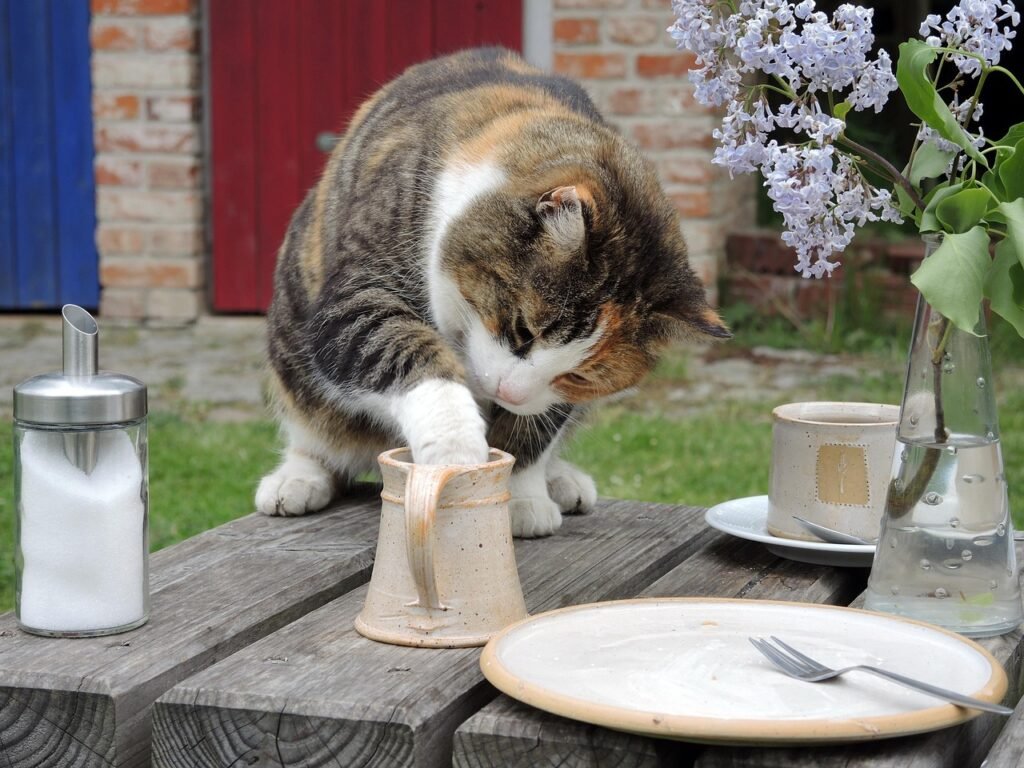
Cats are curious creatures, and their interests often extend to the food their human companions are eating. While it may be tempting to share a bit of your meal with your feline friend, it’s important to remember that not all human foods are safe for cats. However, there are some foods that are not only safe but can also be beneficial when shared in moderation. This article explores some of the top human foods that are safe for cats to eat, highlighting the nutritional benefits and guidelines for offering these treats to your pet.
Cooked Meat
Cats are obligate carnivores, meaning they require a diet rich in animal protein to thrive. Cooked meats such as chicken, turkey, and lean cuts of beef can be a great addition to your cat’s diet. These meats provide essential nutrients like taurine, which is vital for feline health, particularly for their eyes and heart.
Nutritional Benefits
Cooked meats are an excellent source of high-quality protein and contain essential amino acids that cats need for maintaining muscle mass and overall health. They are also rich in vitamins like B6 and B12, which support energy production and nervous system function.
Guidelines
Ensure that the meat is cooked thoroughly and free from any seasoning, especially garlic and onion, which can be toxic to cats. Remove any bones to prevent choking hazards and digestive issues.
Fish
Fish can be a delightful treat for cats, offering a range of nutritional benefits. However, it should not be a staple of their diet due to potential issues such as mercury content and a lack of taurine.
Nutritional Benefits
Fish is rich in omega-3 fatty acids, which are beneficial for skin and coat health, as well as anti-inflammatory properties. It also contains high-quality protein and essential vitamins like D and B2 (riboflavin).
Guidelines
Offer fish that is cooked and free from seasoning. Avoid giving your cat raw fish, which can contain parasites or bacteria. Limit fish consumption to occasional treats rather than a regular diet component.
Eggs
Eggs are another excellent source of protein and can be a healthy treat for cats when prepared properly.
Nutritional Benefits
Eggs contain protein, healthy fats, and essential amino acids. They also offer vitamins like A, D, E, and B12, as well as minerals such as iron and selenium.
Guidelines
Serve eggs cooked, either boiled or scrambled, without any added salt, butter, or oil. Raw eggs should be avoided due to the risk of salmonella and avidin, an enzyme that can interfere with biotin absorption.
Whole Grains
While cats do not require carbohydrates in their diet, small amounts of whole grains can provide fiber, vitamins, and minerals.
Nutritional Benefits
Whole grains like brown rice, oatmeal, and quinoa are sources of dietary fiber, which can aid in digestion. They also provide B vitamins and minerals such as magnesium and iron.
Guidelines
Ensure grains are cooked and offered in moderation. Avoid adding any seasonings or ingredients that may be harmful to cats.
Vegetables
Some vegetables can offer beneficial nutrients and add variety to your cat’s diet. However, not all vegetables are safe, so it’s essential to choose wisely.
Nutritional Benefits
Vegetables like carrots, peas, and pumpkin can provide vitamins, minerals, and fiber. Pumpkin, in particular, is known for promoting healthy digestion.
Guidelines
Offer cooked vegetables in small amounts, ensuring they are free from any harmful additives. Avoid vegetables like onions, garlic, and chives, which are toxic to cats.
Fruits
While not a necessary part of a cat’s diet, certain fruits can be a safe and enjoyable treat.
Nutritional Benefits
Fruits such as blueberries, apples (without seeds), and bananas provide vitamins, antioxidants, and fiber.
Guidelines
Offer fruits in small quantities, avoiding those with pits or seeds. Be cautious with fruits high in sugar and always remove any inedible parts.
Cheese
Cheese can be an occasional treat for cats who are not lactose intolerant. It’s important to note that many cats have difficulty digesting dairy products.
Nutritional Benefits
Cheese provides protein and calcium, along with vitamins like A and B12.
Guidelines
Offer small pieces of cheese and observe your cat for any signs of digestive upset. Opt for low-lactose varieties such as cheddar or Swiss.
Precautions and Conclusion
When introducing new foods to your cat, do so gradually and in moderation. Observe your cat for any adverse reactions such as vomiting, diarrhea, or changes in behavior. It’s also important to maintain a balanced diet primarily composed of high-quality commercial cat food that meets all nutritional requirements.
Consult your veterinarian before making any significant changes to your cat’s diet, especially if they have underlying health issues. By offering safe human foods as occasional treats, you can provide your cat with variety and enrichment while ensuring their health and well-being.
#ChatGPT assisted in the creation of this article.