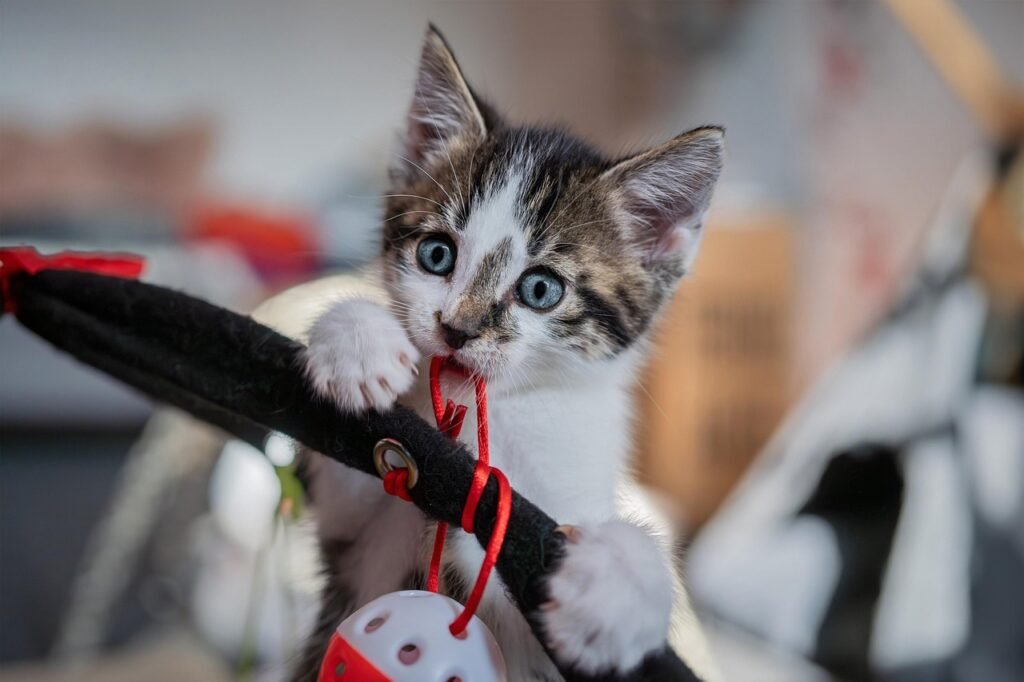
Kittens are naturally curious, energetic, and playful creatures. These traits make them utterly delightful companions, but they also mean that kittens require proper socialization to grow into well-adjusted adult cats. Socializing kittens is crucial for their development, ensuring they are comfortable with humans, other animals, and a variety of environments. This article explores top tips for socializing playful kittens, helping you nurture a confident and friendly feline friend.
Understanding the Importance of Socialization
Socialization is the process of exposing kittens to a variety of experiences, environments, and stimuli to help them develop into well-rounded adults. During the early weeks of a kitten’s life, they are especially receptive to new experiences. This period, often referred to as the sensitive period, typically lasts until they are about 14 weeks old. Proper socialization during this time can prevent behavioral issues and promote positive interactions with humans and other animals.
Begin Early: The Sensitive Period
The best time to start socializing kittens is when they are between 2 to 7 weeks old. During this sensitive period, kittens are more open to learning about their environment and forming bonds with humans and other animals. Engaging with them early ensures they become accustomed to various sights, sounds, and smells, reducing the likelihood of fear-based behaviors later in life.
Introduce Human Interaction Gradually
Start by gently handling the kittens regularly. This includes petting, holding, and playing with them. Use soft voices and slow movements to help them associate human interaction with positive experiences. Gradually increase the amount of time spent with them each day, ensuring they are comfortable and not overwhelmed.
Encourage Playtime with Toys
Playtime is not only essential for exercise but also for socialization. Use a variety of toys to encourage playful interaction. Wand toys, balls, and interactive puzzles stimulate their curiosity and mimic natural hunting behaviors. Rotate toys regularly to keep their interest and prevent boredom. Playtime also provides an excellent opportunity for bonding, helping kittens associate humans with fun and positive experiences.
Introduce Other Animals Carefully
If you have other pets, introduce them to the kittens gradually. Start by allowing them to sniff each other through a closed door or a baby gate. Once they seem comfortable, supervise short face-to-face meetings. Reward positive interactions with treats and praise. It’s crucial to monitor these introductions closely to prevent any negative experiences that could hinder socialization.
Expose Kittens to Different Environments
Gradually introduce kittens to various environments, such as different rooms in your home, the car, or even a friend’s house if possible. Each new environment should be safe and controlled. Allow them to explore at their own pace, and ensure there are no hazards. Positive exposure to different environments helps build confidence and reduces anxiety in new situations.
Introduce New Sounds and Smells
Exposing kittens to a range of sounds and smells is an important aspect of socialization. Play recordings of everyday noises like vacuum cleaners, doorbells, or traffic, starting at a low volume and gradually increasing it. Introduce new smells by bringing in items like clothing or blankets from other environments. This exposure helps kittens become more adaptable and comfortable in a variety of situations.
Attend Kitten Classes or Playgroups
Kitten classes or playgroups can be an excellent way to socialize your kitten with others their age. These classes often include activities that promote positive interactions with both humans and other kittens. They also provide an opportunity for you to learn more about kitten behavior and training techniques from professionals.
Use Positive Reinforcement
Always use positive reinforcement when socializing kittens. Reward them with treats, praise, or affection for calm and positive behavior during new experiences. This approach encourages them to repeat these behaviors and builds a trusting relationship between you and your kitten.
Be Patient and Observe Body Language
Each kitten is unique, and some may take longer to adjust to new experiences than others. Be patient and observant of their body language. Signs of stress or fear, such as flattened ears, hissing, or hiding, indicate that you should slow down the socialization process. Provide a safe space for them to retreat when needed and continue to offer gentle encouragement.
Maintain Consistency
Consistency is key in socialization. Regular, positive interactions help kittens learn what to expect and reduce anxiety. Establish a routine for playtime, handling, and introductions to new experiences. Consistent exposure helps reinforce positive behaviors and builds your kitten’s confidence.
Monitor Health and Well-being
Ensure that your kitten is healthy and up-to-date with vaccinations before introducing them to other animals or new environments. A healthy kitten is more likely to have positive socialization experiences. Regular check-ups with a veterinarian are essential to monitor their health and development.
Conclusion
Socializing playful kittens is a rewarding process that requires time, patience, and understanding. By starting early and exposing them to a variety of positive experiences, you can help your kitten grow into a confident and friendly adult cat. Remember to use gradual introductions, positive reinforcement, and be attentive to your kitten’s needs and comfort levels. With these tips, you can ensure a well-socialized and happy feline companion.
#ChatGPT assisted in the creation of this article.