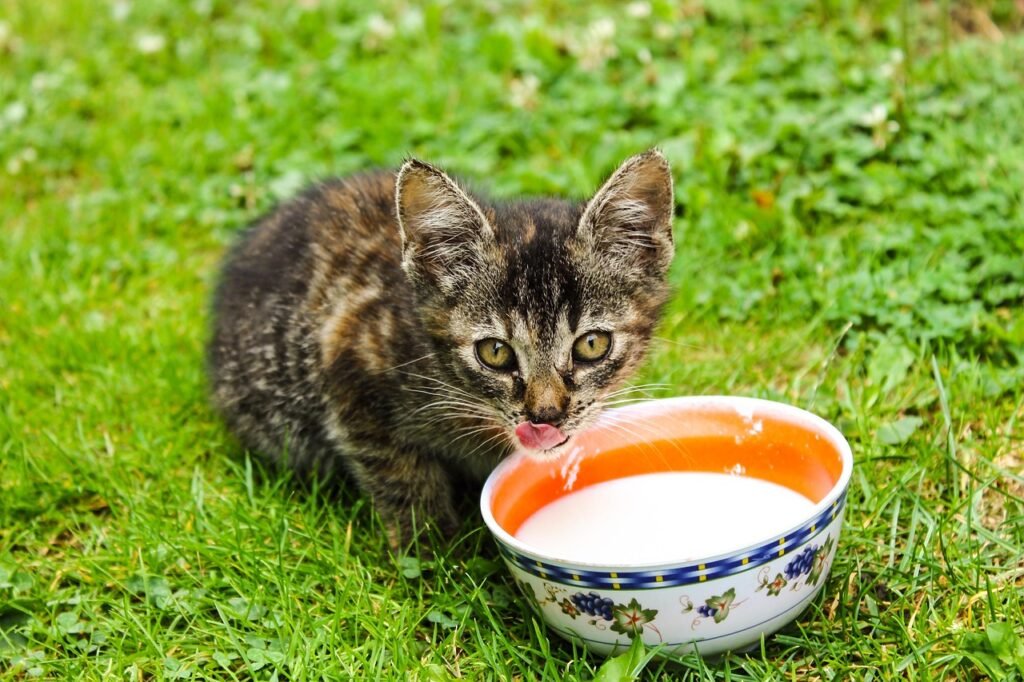
Welcoming a new kitten into your home is an exciting experience, filled with playful antics and affection. However, with this joy comes the responsibility of ensuring your furry friend receives the proper nutrition to support their growth and development. Feeding a kitten isn’t as simple as offering them a bowl of food; it requires an understanding of their unique dietary needs. This ultimate kitten feeding guide will provide you with the essential information to ensure your kitten achieves optimal health.
Understanding Kitten Nutritional Needs
Kittens have distinct nutritional requirements compared to adult cats. Their rapid growth and high energy levels necessitate a diet rich in proteins, fats, vitamins, and minerals.
Protein: The Building Block
Protein is crucial for a kitten’s development as it supports muscle growth, tissue repair, and overall health. High-quality animal proteins such as chicken, turkey, and fish are ideal. Aim for a diet where protein constitutes about 30-40% of the content.
Fats: Energy and Development
Fats provide essential fatty acids and are a concentrated energy source. They support brain development and the absorption of fat-soluble vitamins. A diet with 15-20% fat content is typically recommended for kittens.
Vitamins and Minerals
Vitamins and minerals are vital for various bodily functions, including immune support and bone development. Key nutrients include calcium, phosphorus, vitamin A, and vitamin D. A balanced diet will naturally provide these, but supplements can be considered if recommended by a veterinarian.
Carbohydrates: Limited but Useful
While not as essential as proteins and fats, carbohydrates can provide energy and aid in digestion. Kittens can digest small amounts of carbohydrates, but their diet should not rely heavily on them.
Choosing the Right Type of Food
The market is flooded with options, making it challenging to choose the right food for your kitten. Here’s a breakdown of the primary food types available:
Commercial Dry Food
Dry food, often referred to as kibble, is a convenient and cost-effective option. When selecting dry food, ensure it’s specifically formulated for kittens, providing the necessary nutrients for growth. Look for high-quality brands with real meat as the first ingredient.
Commercial Wet Food
Wet food or canned food is typically higher in protein and moisture content, which can help with hydration. It often contains fewer carbohydrates than dry food, making it a favorable choice for kittens.
Homemade Diets
Some pet owners opt for homemade diets to control the ingredients and quality. If choosing this route, it’s crucial to work with a veterinarian or pet nutritionist to ensure the diet is balanced and complete.
Raw Diets
Raw diets are becoming increasingly popular, but they must be carefully managed to avoid nutritional imbalances and bacterial contamination. Consulting with a veterinarian is essential if considering a raw diet.
Feeding Schedule and Portions
Kittens have small stomachs and high energy needs, requiring frequent feeding throughout the day.
0-6 Weeks: Mother’s Milk
In the initial weeks, kittens should ideally receive their nutrition from their mother’s milk, which provides essential antibodies and nutrients. If the mother is unavailable, a kitten milk replacer is necessary.
6-8 Weeks: Weaning Process
Weaning should begin around 6 weeks. Introduce soft, wet food gradually. Mix it with a little water or kitten milk replacer to create a gruel-like texture.
8-12 Weeks: Transition to Solid Food
By 8 weeks, kittens should start transitioning to solid food. Offer both wet and dry kitten food to see which they prefer. Feed them 3-4 times a day.
3-6 Months: Gradual Increase in Portion Size
As your kitten grows, increase the portion size while reducing the frequency to 3 meals per day. Monitor their weight and adjust portions to avoid overfeeding.
6-12 Months: Preparing for Adult Diet
At about 6 months, you can start reducing meals to 2-3 times a day. By 12 months, most kittens can transition to an adult cat food diet.
Monitoring Your Kitten’s Growth
Regular monitoring of your kitten’s growth is essential to ensure they are on the right track. Here’s what to look out for:
Weight Gain
Kittens should gain weight steadily. Weigh them weekly and consult your vet if there are concerns about their growth rate.
Body Condition Score
A body condition score (BCS) is a practical tool to assess if your kitten is underweight, overweight, or just right. Aim for a BCS in the ideal range, typically around 3-4 on a 5-point scale.
Behavior and Energy Levels
A healthy kitten is active and playful. Lethargy or lack of interest in play can be a sign of nutritional deficiencies or health issues.
Common Feeding Mistakes to Avoid
Avoid these common pitfalls to ensure your kitten’s diet supports their health:
Overfeeding
While it’s tempting to give in to a kitten’s big eyes and constant cries for food, overfeeding can lead to obesity and associated health problems.
Feeding Adult Cat Food
Adult cat food doesn’t provide the right nutrient balance for a growing kitten. Always choose foods specifically formulated for kittens.
Lack of Variety
Offering a variety of textures and flavors can prevent picky eating habits and ensure a balanced intake of nutrients.
Ignoring Hydration
Kittens need access to fresh, clean water at all times. While wet food provides some moisture, it’s not enough to meet their hydration needs.
Consulting with a Veterinarian
Regular veterinary check-ups are vital for monitoring your kitten’s health and nutritional status. Your vet can offer personalized advice based on your kitten’s specific needs and any underlying health conditions.
Conclusion
Feeding your kitten the right diet sets the foundation for a healthy and vibrant life. By understanding their nutritional needs, choosing high-quality food, and maintaining a proper feeding schedule, you can ensure your kitten grows into a strong and healthy adult cat. Always remain observant of their growth and behavior, and don’t hesitate to consult with a veterinarian for guidance. With the right care and attention, your kitten will thrive, providing companionship and joy for years to come.
#ChatGPT assisted in the creation of this article.