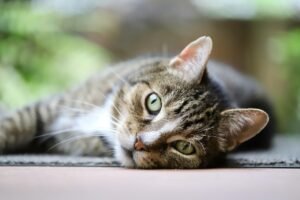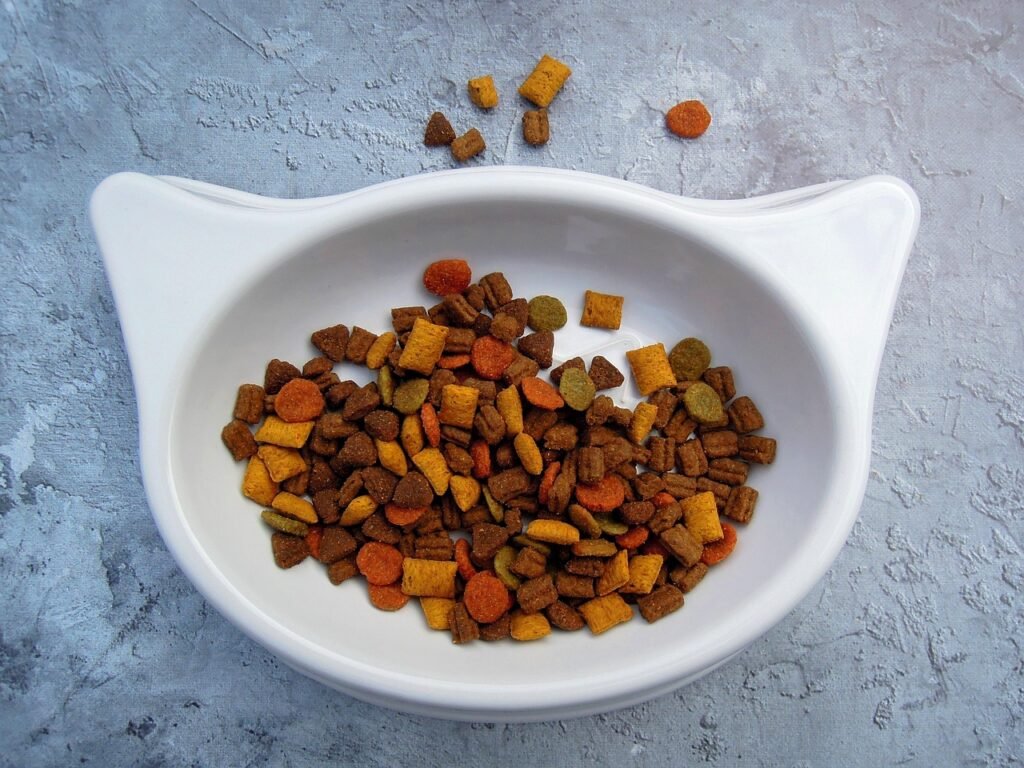
In recent years, grain-free cat food has become increasingly popular among pet owners seeking the best nutrition for their feline companions. While traditional cat food often contains grains such as corn, wheat, and rice, grain-free options eliminate these ingredients, focusing instead on protein-rich formulas. This shift aligns with a growing understanding of a cat’s natural dietary needs, sparking interest in the potential benefits of grain-free diets.
The Evolution of Cat Nutrition
Historically, domestic cats have been obligate carnivores, meaning their natural diet consists primarily of meat. In the wild, cats hunt and consume prey, which provides them with necessary nutrients such as protein, fats, and minimal carbohydrates. Modern cat food, however, often incorporates grains as fillers, which can lead to various health issues over time.
Understanding Obligate Carnivores
Cats’ digestive systems are uniquely designed to process animal-based proteins and fats. Their bodies produce specific enzymes that facilitate the breakdown of protein, but they lack the enzyme amylase in their saliva, which is necessary for breaking down carbohydrates. This makes grains less digestible for cats and can lead to dietary complications.
Why Choose Grain-Free Cat Food?
Opting for grain-free cat food can provide several advantages, aligning more closely with a cat’s natural dietary preferences and physiological needs. Below are some key benefits of transitioning to a grain-free diet.
Improved Digestive Health
Grain-free cat food can promote better digestive health by reducing the intake of carbohydrates that cats struggle to process. By focusing on protein-rich ingredients, grain-free diets help minimize gastrointestinal issues such as bloating, gas, and diarrhea. Cats on grain-free diets often exhibit firmer stools and a healthier gut overall.
Reduced Allergies and Sensitivities
Many cats develop food allergies or sensitivities, often triggered by grains in their diet. Symptoms can include itchy skin, excessive grooming, ear infections, and gastrointestinal distress. Switching to grain-free cat food can help alleviate these symptoms, as it eliminates common allergens and provides a more suitable nutritional profile for sensitive cats.
Weight Management
Grain-free cat food typically contains higher protein levels and fewer carbohydrates compared to traditional cat food. This balance can help maintain a healthy weight, as protein-rich diets are more satiating and support lean muscle mass. For overweight cats, a grain-free diet can aid in weight loss and promote an active lifestyle.
Enhanced Coat and Skin Health
A diet rich in animal-based proteins and healthy fats can contribute to a shinier coat and healthier skin. Grain-free cat food often includes omega-3 and omega-6 fatty acids, which support skin hydration and reduce inflammation. Cats with a grain-free diet may experience less shedding and fewer skin problems.
Key Ingredients in Grain-Free Cat Food
When selecting grain-free cat food, it’s essential to consider the quality and variety of ingredients. Opt for formulas that prioritize high-quality protein sources and natural additives that support overall health.
High-Quality Proteins
Look for grain-free cat foods that list animal proteins such as chicken, turkey, beef, or fish as the primary ingredient. These proteins provide essential amino acids necessary for maintaining muscle mass, energy levels, and overall health. Some grain-free options also include novel proteins like venison, duck, or rabbit, which can be beneficial for cats with specific protein allergies.
Essential Vitamins and Minerals
Ensure that the grain-free cat food you choose contains a balanced mix of vitamins and minerals. Ingredients like taurine, an amino acid crucial for heart and eye health, should be present. Additionally, look for added vitamins like A, D, and E, along with minerals such as calcium, phosphorus, and potassium to support a cat’s overall well-being.
Healthy Fats
Healthy fats are vital for a cat’s diet, providing energy and supporting brain function. Grain-free cat food often includes sources of fats like chicken fat, fish oil, or flaxseed oil, which are rich in omega-3 and omega-6 fatty acids. These fats contribute to coat health, reduce inflammation, and enhance cognitive abilities.
Fruits and Vegetables
While cats do not require fruits and vegetables in large quantities, these ingredients can provide additional nutrients and fiber. Grain-free cat foods often incorporate small amounts of fruits and vegetables like sweet potatoes, peas, blueberries, and cranberries. These ingredients offer antioxidants and vitamins, supporting immune health and digestion.
Transitioning to a Grain-Free Diet
When switching your cat to a grain-free diet, it is crucial to do so gradually to avoid digestive upset. Here are some steps to ensure a smooth transition:
Introduce New Food Slowly
Start by mixing a small amount of the grain-free cat food with your cat’s current food. Gradually increase the proportion of the new food while decreasing the old food over a period of 7-10 days. This slow transition helps your cat’s digestive system adjust to the new ingredients.
Monitor Your Cat’s Reaction
Observe your cat’s behavior, appetite, and stool consistency during the transition. Some cats may experience temporary digestive changes as they adjust to the new diet. If you notice persistent issues, consult your veterinarian to ensure the new food meets your cat’s nutritional needs.
Choose the Right Formula
Consider your cat’s age, activity level, and health status when selecting a grain-free formula. Kittens, adult cats, and senior cats have different nutritional requirements, so choose a product tailored to your cat’s life stage. Additionally, if your cat has specific health concerns, such as kidney issues or obesity, consult your veterinarian for personalized recommendations.
Conclusion
Grain-free cat food offers numerous benefits that align with a cat’s natural dietary preferences and nutritional needs. By eliminating grains and focusing on high-quality proteins and healthy fats, grain-free diets can improve digestive health, reduce allergies, support weight management, and enhance coat and skin health. As with any dietary change, it’s essential to transition gradually and monitor your cat’s response to ensure their well-being. By choosing the right grain-free formula, you can provide your feline companion with a balanced and nutritious diet that promotes a long, healthy life.
#ChatGPT assisted in the creation of this article.