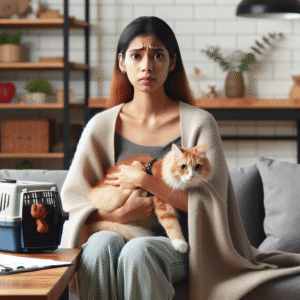
Cats, often regarded as mysterious and independent creatures, are sensitive beings that can experience stress and anxiety just like humans. A myriad of factors, from changes in their environment to health issues, can trigger these feelings. Being able to recognize the signs of stress and anxiety in your feline friend is crucial for their well-being. This article delves into the top signs that your cat might be stressed and anxious, and offers insights into how you can help them regain their balance and tranquility.
Understanding Feline Stress and Anxiety
Before exploring the signs, it’s important to understand what stress and anxiety look like in cats. Stress is a natural response to a perceived threat or change, while anxiety is a persistent, excessive worry that may not be linked to any specific threat. Cats can experience both, and it can lead to both physical and behavioral changes that affect their quality of life.
Top Signs Your Cat is Stressed and Anxious
Changes in Appetite
One of the first signs of stress or anxiety in cats is a change in their eating habits. Some cats may lose their appetite and eat significantly less than usual, while others may overeat as a coping mechanism. Both scenarios can lead to health issues such as weight loss or obesity, so it’s important to monitor any drastic changes in your cat’s eating patterns.
Aggression or Irritability
A stressed or anxious cat may become more aggressive or irritable. They might hiss, bite, or scratch more frequently, even towards people or other pets they are usually comfortable with. This behavior is often a defense mechanism, as stress can make cats feel vulnerable and on edge.
Excessive Grooming or Poor Grooming
Grooming is a natural behavior in cats, but excessive grooming can indicate stress or anxiety. Cats may lick themselves compulsively, leading to bald patches and skin irritation. Conversely, some stressed cats may neglect grooming altogether, resulting in an unkempt appearance.
Inappropriate Elimination
If your cat suddenly starts urinating or defecating outside of their litter box, it could be a sign of stress or anxiety. Cats are creatures of habit, and changes in elimination habits often indicate that something is wrong. Stressful events like a move, new pet, or changes in household dynamics can lead to this behavior.
Vocalization
Increased vocalization, such as excessive meowing, yowling, or howling, can be a sign that your cat is stressed or anxious. This is their way of communicating discomfort or seeking attention. Pay attention to when and how your cat vocalizes, as this can provide clues about potential stressors.
Hiding and Avoidance
Cats often hide when they are stressed or anxious. They may seek out secluded spots and avoid interaction with people or other animals. While some cats naturally enjoy their alone time, a significant increase in hiding behavior can indicate that your cat is under stress.
Changes in Sleeping Patterns
Stress can affect your cat’s sleep patterns. Some cats may sleep more than usual as a way to escape stressors, while others may become restless and have trouble sleeping. Observe any changes in your cat’s sleeping habits, as these can be indicators of their emotional state.
Destructive Behavior
Destructive behaviors, such as scratching furniture, knocking over objects, or chewing on items they shouldn’t, can be signs of stress or anxiety. Cats may engage in these behaviors as a way to relieve tension or to get your attention.
Increased Respiratory Rate
Stress can cause physical symptoms in cats, including an increased respiratory rate. If your cat is panting or breathing rapidly, especially when they are at rest, it could be a sign that they are feeling stressed or anxious. This symptom should be addressed promptly, as it can also indicate a medical issue.
Lethargy
A stressed or anxious cat may become lethargic and show less interest in activities they once enjoyed. If your cat seems uninterested in playing, exploring, or interacting with you, it could be a sign that they are feeling overwhelmed by stress or anxiety.
Potential Causes of Stress and Anxiety in Cats
Understanding the root causes of stress and anxiety is key to addressing the issue. Common stressors for cats include:
- Environmental Changes: Moving to a new home, rearranging furniture, or introducing new pets or family members can disrupt a cat’s sense of security.
- Lack of Stimulation: Boredom and lack of mental or physical stimulation can lead to stress. Cats need play and enrichment to stay happy and healthy.
- Health Issues: Pain, illness, or discomfort can cause stress. Regular veterinary check-ups are essential to rule out medical problems.
- Loud Noises: Thunderstorms, fireworks, or construction noises can be frightening for cats.
- Separation Anxiety: Some cats become anxious when left alone for extended periods. This is more common in cats that are closely bonded with their owners.
How to Help a Stressed or Anxious Cat
If you suspect that your cat is stressed or anxious, there are several steps you can take to help them feel more at ease:
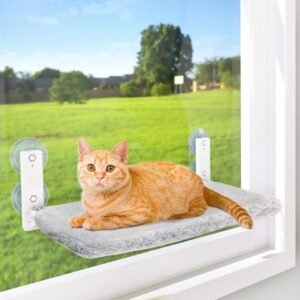
- Create a Safe Space: Provide a quiet, comfortable area where your cat can retreat when they feel stressed. This can be a cozy bed or a designated room.
- Maintain a Routine: Cats thrive on routine. Keeping a consistent schedule for feeding, playtime, and other activities can help reduce stress.
- Enrichment Activities: Engage your cat with toys, puzzle feeders, and interactive play to keep their mind and body active.
- Use Calming Aids: Consider using pheromone diffusers, sprays, or calming collars that can help reduce stress and anxiety in cats.
- Consult a Veterinarian: If stress or anxiety persists, consult a veterinarian. They can rule out medical issues and may recommend behavior modification strategies or medication.
Conclusion
Recognizing the signs of stress and anxiety in your cat is the first step towards helping them lead a happier, healthier life. By understanding the potential causes and implementing strategies to alleviate stress, you can create a supportive environment for your feline companion. Always remember, a calm and content cat is a reflection of a caring and attentive owner.
#ChatGPT assisted in the creation of this article.