Aging is a natural part of life, and our feline companions are no exception to the passage of time. As cats grow older, they may experience a decline in physical abilities and cognitive functions. However, it is crucial to keep them mentally and physically stimulated to ensure a high quality of life. Engaging your senior cat with stimulating activities can help maintain their health, happiness, and longevity. This article provides a comprehensive guide on how to engage aging felines with enriching activities that cater to their unique needs.
Understanding the Needs of Senior Cats
Before diving into specific activities, it’s essential to understand the unique needs of senior cats. As cats age, they may develop arthritis, reduced vision or hearing, dental problems, and cognitive decline. These changes can affect their ability and willingness to engage in activities they once enjoyed. It’s important to tailor activities to accommodate these changes and ensure they remain safe and enjoyable.
Physical Limitations
Senior cats often experience joint stiffness and reduced mobility due to arthritis or muscle loss. Activities should be low-impact and provide gentle exercise that helps maintain muscle tone and flexibility without causing discomfort.
Cognitive Changes
Cognitive decline, similar to human dementia, can occur in aging cats. This condition, known as feline cognitive dysfunction (FCD), may lead to disorientation, decreased interaction, and changes in sleep patterns. Mental stimulation is vital in slowing cognitive decline and keeping your cat engaged.
Stimulating Activities for Senior Cats
Engaging your senior cat in a variety of activities can help address both their physical and mental needs. Here are some activities specifically designed for aging felines.
Interactive Play
Interactive play is a fantastic way to stimulate both the body and mind of your senior cat. Use toys that mimic prey, such as feather wands or small, soft balls, to encourage your cat to chase and pounce. Adjust the intensity and speed of play to match your cat’s physical abilities, ensuring that they can participate without strain.
Consider short, frequent play sessions throughout the day instead of one long session. This approach helps prevent fatigue and keeps your cat interested. Always supervise interactive play to avoid accidental injury.
Environmental Enrichment
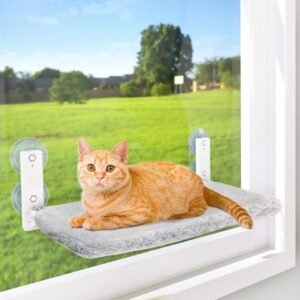
A stimulating environment can significantly enhance a senior cat’s quality of life. Provide various perches and cat trees that are easily accessible to encourage climbing and exploration. Ensure these structures are stable and have ramps or steps if necessary.
Rotating toys and introducing new textures and scents can keep your cat’s environment fresh and engaging. Puzzle feeders or treat-dispensing toys can also provide mental stimulation by challenging your cat to work for their rewards.
Sensory Activities
As some senses may decline with age, it’s essential to engage the remaining senses. For instance, provide toys that crinkle or make noise to stimulate hearing. Catnip or silvervine can offer olfactory stimulation, enticing your cat to interact with toys or bedding.
Safe outdoor access, such as a catio or supervised walks on a harness, can provide a wealth of sensory experiences. The sights, sounds, and smells of the outdoors can be incredibly enriching for an aging cat.
Training and Cognitive Games
Training isn’t just for dogs; cats can also benefit from learning new tricks or commands. Use positive reinforcement techniques, such as clicker training, to teach your senior cat simple commands like “sit” or “high five.” This mental exercise can strengthen the bond between you and your cat while providing cognitive stimulation.
Cognitive games, such as hiding treats for your cat to find, can also be beneficial. Start with simple hiding spots and gradually increase the difficulty as your cat becomes more adept at the game.
Considerations for Senior Cat Activities
While engaging your senior cat in stimulating activities is beneficial, it’s also important to consider their individual needs and limitations.
Monitor Health and Comfort
Always monitor your cat’s health and comfort during activities. If you notice any signs of pain or discomfort, such as limping or reluctance to move, stop the activity immediately and consult your veterinarian. Regular veterinary check-ups are crucial for detecting and managing health issues that may impact your cat’s ability to engage in certain activities.
Adapt Activities as Needed
As your cat ages, their abilities and interests may change. Be prepared to adapt activities to suit their current needs. This flexibility ensures that your cat remains engaged and happy without feeling overwhelmed or frustrated.
Maintain a Routine
Senior cats, like humans, often find comfort in routine. Establishing a regular schedule for playtime and other activities can provide a sense of security and predictability, which is particularly beneficial for cats experiencing cognitive decline.
Conclusion
Engaging aging felines with stimulating activities is essential for maintaining their physical health, cognitive function, and overall well-being. By understanding the unique needs of senior cats and tailoring activities to accommodate their abilities, you can help ensure that your feline companion enjoys their golden years to the fullest. With patience, creativity, and a little bit of effort, you can create a rich, engaging environment that keeps your senior cat happy, healthy, and mentally sharp.
#ChatGPT assisted in the creation of this article.