Bringing up a kitten is an immensely rewarding experience, but it also comes with a fair share of responsibilities, particularly when it comes to feeding. At four weeks old, kittens are in a critical stage of development where their nutritional needs are distinct and crucial for their growth. This comprehensive guide will help you understand the essentials of feeding 4-week-old kittens, ensuring they receive the nourishment they need to thrive.
Understanding Kitten Development at Four Weeks
At four weeks old, kittens are beginning to transition from complete dependence on their mother’s milk to a more varied diet. This is a pivotal period where their nutritional requirements are high as they are rapidly growing and developing. Understanding the physical and behavioral changes that occur during this time can help in providing the appropriate care and feeding regimen.
Physical Changes
Four-week-old kittens are starting to become more active and coordinated. Their baby teeth begin to emerge, which is an indication that they are ready to start exploring solid foods. This is also a period where their sensory perceptions, such as vision and hearing, continue to develop, making them more interactive and curious about their environment.
Behavioral Changes
Kittens at this age are more playful and social. They begin to display more independence, though they still rely heavily on their mother or human caregivers for nourishment and security. Their playful behavior is not just a delight to observe; it is essential for their social and physical development.
Feeding Requirements for 4-Week-Old Kittens
Proper nutrition is critical at this stage to support their rapid growth and development. It is vital to provide a balanced diet that meets their caloric and nutritional needs. Below are key components of a feeding plan for 4-week-old kittens.
Transitioning to Solid Food
At four weeks, kittens should start transitioning from their mother’s milk or kitten formula to more solid foods. This process should be gradual to avoid digestive upset. Begin by offering a gruel made from a high-quality canned kitten food mixed with warm water or kitten formula. The mixture should have a soupy consistency to make it easier for the kitten to lap up.
Choosing the Right Food
Select a high-quality kitten food specifically formulated for growth and development. Look for products that have a high protein and fat content, as these are essential for their energy and growth needs. Ensure that the food is free from artificial additives and fillers that do not contribute to their nutritional requirements.
Feeding Schedule
Kittens at this age should be fed small amounts frequently throughout the day. Aim for four to six small meals daily. These frequent meals help maintain their energy levels and ensure they receive adequate nutrition.
Supplementing with Kitten Formula
While transitioning to solid food, it’s important to continue offering kitten formula to ensure they receive complete nutrition. This is particularly important if the kitten is orphaned or the mother cat is unable to provide adequate milk.
Choosing a Kitten Formula
Opt for a high-quality, commercially available kitten milk replacer. Avoid feeding cow’s milk, as it does not provide the necessary nutrients and can cause digestive issues. Follow the manufacturer’s instructions for preparation and feeding.
How to Bottle-Feed
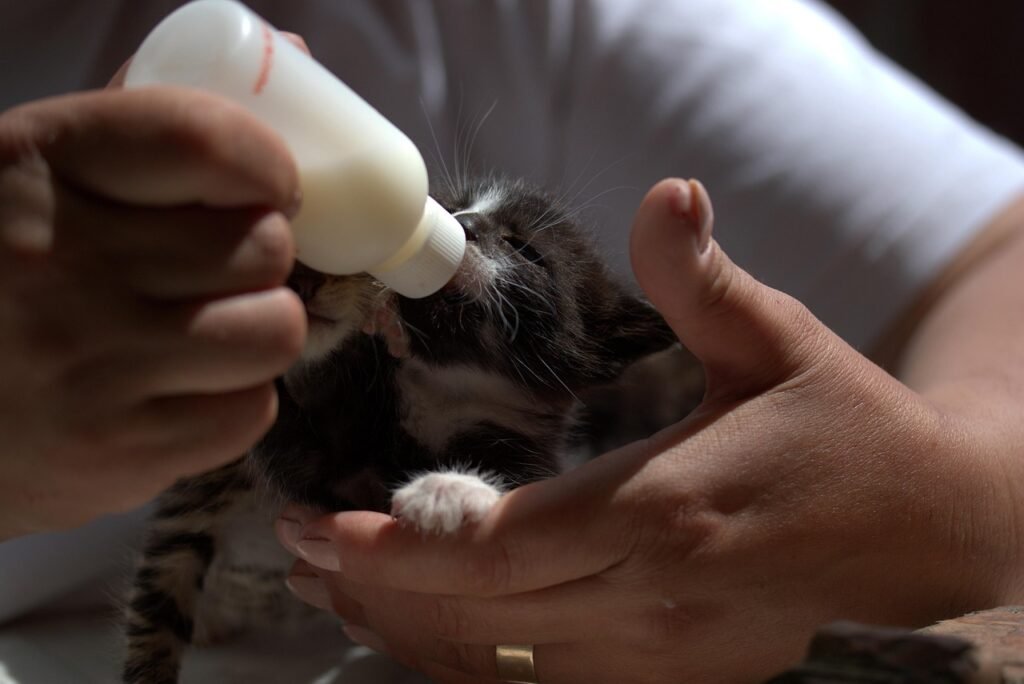
When bottle-feeding, ensure that the formula is at body temperature to closely mimic the warmth of mother’s milk. Hold the kitten in a natural, belly-down position to prevent aspiration. Gently guide the bottle nipple into the kitten’s mouth and allow them to suckle at their own pace.
Monitoring Health and Nutrition
Keeping a close eye on your kitten’s health and development is crucial during this stage. Regular monitoring can help identify any potential issues early on.
Weight Gain and Growth
Kittens should gain weight steadily; a typical weight gain is about 10 to 15 grams per day. Weigh the kittens regularly to ensure they are growing appropriately. If you notice any stagnation or loss in weight, consult a veterinarian promptly.
Signs of Malnutrition
Be alert for signs of malnutrition, which can include lethargy, poor coat condition, and diarrhea. A healthy kitten should be active, with bright eyes and a shiny coat. Any deviations from this could indicate nutritional deficiencies or health issues.
Hydration Needs
Proper hydration is as important as nutrition for kittens. Ensure that clean, fresh water is always available, especially as they start eating more solid foods. Encourage drinking by placing shallow dishes of water in easily accessible areas.
Introducing Litter Training
As feeding habits change, so will their bathroom habits. This is a suitable time to introduce litter training. Choose a shallow litter box with kitten-safe, non-clumping litter. Place the kitten in the litter box after meals and encourage them to use it, which helps in establishing good litter habits early on.
Conclusion
Caring for a 4-week-old kitten involves understanding their unique nutritional needs and providing them with a balanced diet to support their growth and development. With the right approach to feeding and care, you can ensure your kitten grows into a healthy and happy cat. Always be attentive to their health and behavior, and seek veterinary advice if you have any concerns. The effort you invest in their early weeks will lay the foundation for their lifelong health and wellbeing.
Additional Tips
– Gradually introduce new foods to monitor for allergies or digestive issues.
– Provide a warm and safe environment, as kittens are sensitive to temperature changes.
– Socialize your kitten gradually to new experiences and stimuli to foster confidence and reduce stress.
By following this essential feeding guide and being attentive to your kitten’s needs, you can enjoy watching them grow and thrive during this vital stage of their life.
#ChatGPT assisted in the creation of this article.