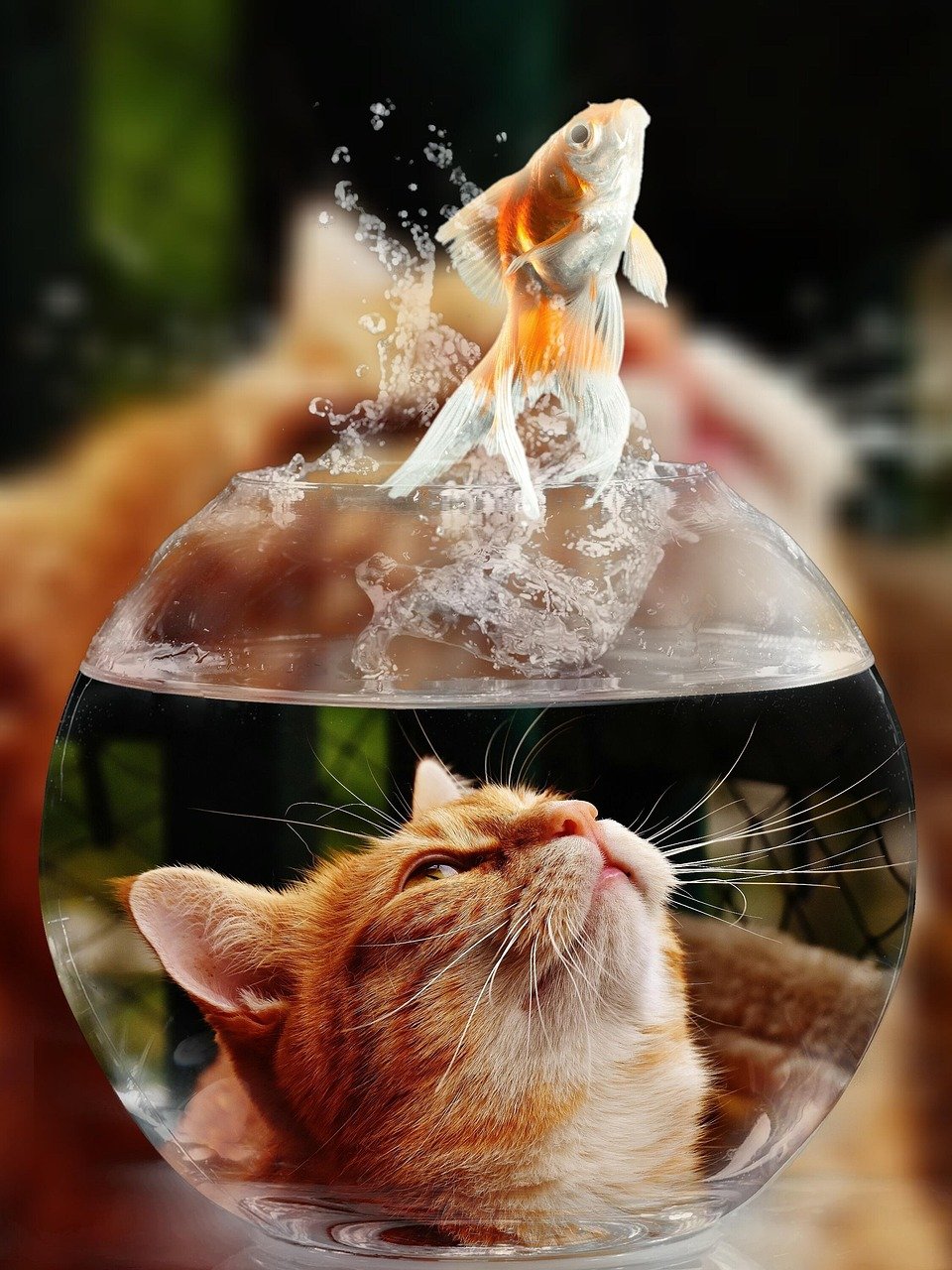
As cats age, their bodies undergo various physiological changes, making them more susceptible to dehydration. Ensuring that senior cats receive adequate hydration is crucial for maintaining their overall health and well-being. Hydration supports key bodily functions such as digestion, nutrient absorption, and temperature regulation. Dehydration in senior cats can lead to complications such as kidney disease, urinary tract infections, and constipation. Therefore, understanding the unique hydration needs of senior cats is essential for pet owners.
Signs of Dehydration in Senior Cats
Recognizing the signs of dehydration in senior cats can help pet owners intervene early and provide the necessary care. Common symptoms include:
1. **Lethargy and Weakness**: Dehydrated cats may appear unusually tired and may not engage in their usual activities.
2. **Dry Gums**: Check your cat’s gums for moisture. Dry or sticky gums are a common sign of dehydration.
3. **Loss of Appetite**: Dehydration can lead to a reduced appetite, further exacerbating the issue.
4. **Sunken Eyes**: Dehydrated cats may have eyes that appear sunken or dull.
5. **Decreased Skin Elasticity**: Gently pinch the skin at the back of your cat’s neck. In a hydrated cat, the skin should snap back quickly. If it takes time to return to its position, your cat may be dehydrated.
6. **Increased Heart Rate**: An elevated heart rate can be a physiological response to dehydration.
If you observe any of these signs, it is crucial to consult a veterinarian for a comprehensive evaluation and treatment plan.
Causes of Dehydration in Senior Cats
Understanding the causes of dehydration can help in its prevention. Common causes include:
1. **Reduced Water Intake**: Senior cats might simply not drink enough water due to decreased thirst or mobility issues.
2. **Medical Conditions**: Diseases such as kidney disease, diabetes, and hyperthyroidism can increase the risk of dehydration.
3. **Heat Exposure**: Cats exposed to high temperatures may lose fluids quickly, leading to dehydration.
4. **Diarrhea and Vomiting**: Gastrointestinal upset can result in significant fluid loss.
5. **Certain Medications**: Some medications may have diuretic effects, increasing the risk of dehydration.
Essential Hydration Tips for Senior Cats
Ensuring that senior cats remain adequately hydrated involves a combination of dietary adjustments, environmental modifications, and close monitoring. Here are some essential tips:
1. Encourage Water Consumption
– **Multiple Water Sources**: Place water bowls in various locations around your home to encourage your cat to drink more frequently.
– **Fresh Water**: Ensure water bowls are cleaned and refilled daily with fresh water to make it more appealing.
– **Running Water**: Consider investing in a cat water fountain. Many cats prefer drinking from running water, which can increase their water intake.
2. Wet Food Diet
– **Switch to Wet Food**: Canned cat food contains a higher moisture content compared to dry kibble. Incorporating wet food into your cat’s diet can significantly increase their overall fluid intake.
– **Mix with Water**: Add a small amount of water to wet food to increase its moisture content further.
3. Flavoring Water
– **Broth or Tuna Water**: Adding a small amount of low-sodium chicken broth or tuna water to your cat’s drinking water can make it more enticing.
– **Herbal Teas**: Some cats enjoy the taste of diluted herbal teas like chamomile or catnip tea. Ensure that the tea is caffeine-free and cooled to room temperature.
4. Monitor and Adjust
– **Track Water Intake**: Keep track of how much water your cat drinks daily. This can help you identify changes in their hydration habits.
– **Routine Veterinary Visits**: Regular check-ups with your veterinarian can help detect any underlying conditions that might contribute to dehydration.
Environmental Modifications to Promote Hydration
The environment plays a significant role in promoting hydration in senior cats. Consider the following modifications:
1. Comfortable Drinking Stations
– **Accessible Water Bowls**: Ensure that water bowls are easily accessible, especially if your cat has mobility issues. Consider elevated bowls for cats with arthritis.
– **Non-Tip Bowls**: Use sturdy, non-tip bowls to prevent spills and ensure a constant supply of water.
2. Temperature Control
– **Cool Environment**: Maintain a comfortable indoor temperature, especially during warmer months, to prevent excessive fluid loss through heat exposure.
3. Stress-Free Environment
– **Reduce Stress**: Minimize stressors in your cat’s environment, as stress can affect their drinking habits. Provide quiet spaces and comfortable resting areas.
Conclusion
Hydration is a critical component of senior cat care, and understanding the specific needs of aging cats can help prevent dehydration-related health issues. By encouraging water consumption, making dietary adjustments, and modifying the environment, pet owners can significantly improve their senior cat’s hydration status. Regular veterinary care is also essential to monitor health changes and address any underlying medical conditions. By taking proactive steps, you can ensure that your senior cat enjoys a healthy and comfortable life.
“`
#ChatGPT assisted in the creation of this article.