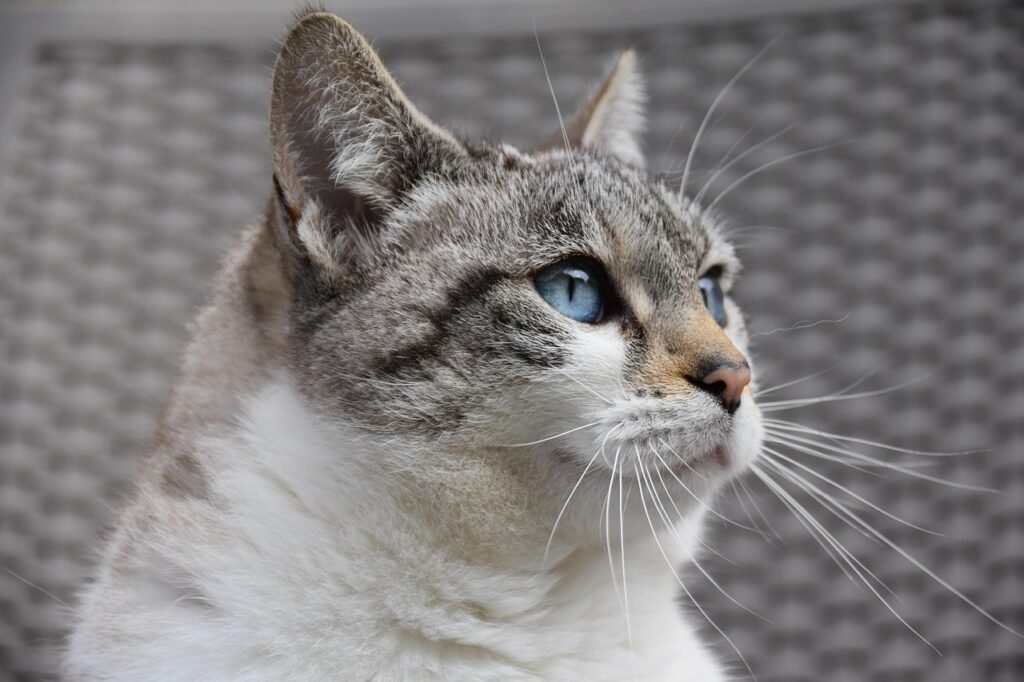
Aging gracefully is not just a human endeavor; our feline companions also deserve to enjoy their golden years in the best health possible. As cats age, their needs and healthcare requirements change. By understanding these changes and implementing a comprehensive health checklist, you can significantly enhance the quality and longevity of your senior cat’s life. This article offers an essential health checklist for senior cats, guiding you through the key areas to focus on.
Regular Veterinary Check-ups
Just like humans, cats require more frequent medical attention as they age. Regular veterinary check-ups are crucial for early detection of potential health issues. Ideally, senior cats should visit the veterinarian every six months for a comprehensive examination. These check-ups should include blood tests, dental examinations, and discussions about any noticeable changes in behavior or physical condition.
Nutritional Needs and Diet
Senior cats have different nutritional needs compared to their younger counterparts. As metabolism slows down, they may become prone to obesity or may lose weight due to decreased appetite or underlying health issues. A diet rich in high-quality protein and low in carbohydrates is typically recommended. Consider foods formulated specifically for senior cats, which often contain added nutrients like omega-3 fatty acids, antioxidants, and joint-support ingredients.
Hydration is Key
Maintaining adequate hydration is crucial for senior cats, as they are prone to kidney disease and urinary tract issues. Ensure that your cat has access to fresh, clean water at all times. Wet food can be a great addition to their diet to help with hydration.
Weight Management
Monitoring your senior cat’s weight is essential for their overall health. Obesity can lead to numerous health problems, including diabetes, arthritis, and heart disease. Conversely, sudden weight loss can be a sign of underlying medical issues. Work with your veterinarian to determine your cat’s ideal weight and develop a plan to maintain it.
Dental Care
Dental health is often overlooked but is critically important in senior cats. Periodontal disease can lead to pain, tooth loss, and even systemic infections. Implement a dental care routine that includes regular brushing and professional cleanings as recommended by your veterinarian. Special dental diets and treats can also help maintain oral health.
Joint Health and Mobility
Arthritis and joint pain are common in aging cats, which can significantly impact their quality of life. Ensure that your home environment is senior-friendly, with easy access to litter boxes, food, and water. Consider joint supplements such as glucosamine and chondroitin, and consult with your veterinarian about pain management options if needed.
Monitoring for Common Health Issues
As cats age, they become more susceptible to certain health issues. Here are some of the most common conditions to watch for:
Kidney Disease
Chronic kidney disease is prevalent in older cats. Watch for symptoms like increased thirst, frequent urination, weight loss, and lethargy. Regular blood work can help catch kidney issues early, allowing for more effective management.
Hyperthyroidism
Hyperthyroidism is another common condition in senior cats, characterized by a hyperactive thyroid gland. Symptoms include weight loss, increased appetite, and hyperactivity. It is treatable, so early diagnosis is important.
Diabetes
Diabetes mellitus can occur in senior cats, often related to obesity. Symptoms include increased thirst and urination, weight loss, and lethargy. Managing diabetes involves dietary changes and possibly insulin therapy, under veterinary supervision.
Mental Stimulation and Cognitive Health
Cognitive decline, similar to dementia in humans, can occur in senior cats. Providing mental stimulation through interactive toys, puzzle feeders, and regular playtime can help maintain cognitive health. Additionally, maintaining a consistent routine can reduce stress and confusion.
Environmental Adjustments
As cats age, their physical capabilities may diminish. Ensure that your home is adapted to meet their needs. Provide easily accessible litter boxes, ramps or steps to favorite resting places, and a warm, comfortable bed. Consider placing litter boxes and food bowls at multiple locations to minimize the need for climbing or jumping.
Parasite Prevention
Even indoor cats are at risk of parasites like fleas, ticks, and worms. Regular preventive treatments are essential, as older cats may have a weakened immune system. Consult with your veterinarian to establish a suitable parasite prevention plan.
Social Interaction and Companionship
Senior cats still need social interaction and affection. Spend quality time with your cat through gentle grooming, petting, and play. This not only strengthens your bond but also helps you monitor their health and behavior changes more effectively.
Conclusion
Caring for a senior cat requires patience, love, and attention to their changing needs. By following this essential health checklist, you can help ensure your cat enjoys a long, healthy, and fulfilling life. Remember, regular communication with your veterinarian is crucial in managing your senior cat’s health. With the right care, your feline companion can continue to bring joy and companionship for many years to come.
#ChatGPT assisted in the creation of this article.