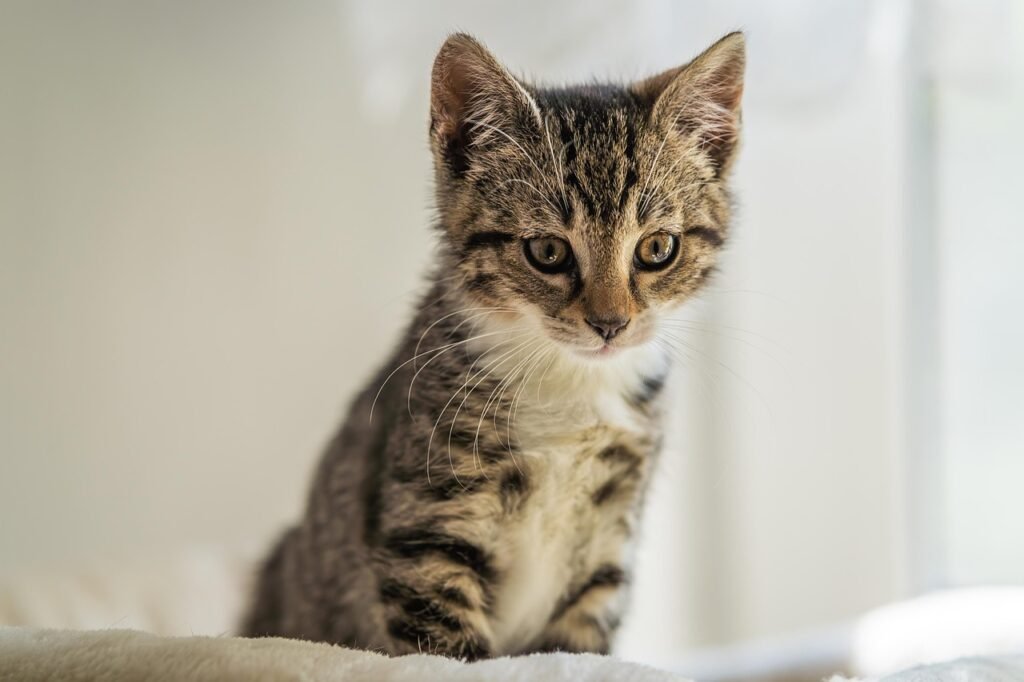
Weaning is a critical phase in a kitten’s life, marking the transition from nursing to eating solid foods. This process not only influences their dietary habits but also their socialization and overall development. Weaning kittens from their mother requires patience, understanding, and a gentle approach to ensure their physical and emotional well-being. In this article, we will explore the steps involved in weaning kittens, the appropriate timing, and tips to make the transition as smooth as possible for both the kittens and their mother.
Understanding the Weaning Process
Weaning is a natural process that typically begins when kittens are around four weeks old. At this stage, kittens start to develop their senses and motor skills, making them naturally curious about the world beyond their mother’s milk. While the process is instinctual, it still requires careful guidance to ensure a successful transition.
Timing the Weaning Process
Timing is crucial when it comes to weaning kittens. Starting too early can lead to nutritional deficiencies, while delaying the process can cause dependency issues. The weaning process usually takes about four to six weeks, allowing kittens to fully adapt to solid foods by the time they are eight to ten weeks old.
Signs That Kittens Are Ready to Wean
- Teeth Development: Kittens start developing their teeth around four weeks of age, making them more capable of chewing solid food.
- Increased Mobility: As kittens become more mobile, they begin exploring their environment and showing interest in their mother’s food.
- Decreased Nursing: Kittens may start nursing less frequently as their nutritional needs increase.
Preparing for the Weaning Process
Before beginning the weaning process, it is important to prepare both the kittens and the mother cat. This includes setting up a comfortable and safe environment where the kittens can explore and eat without disturbance.
Creating a Weaning Area
- Designate a quiet, comfortable space with easy access to food and water dishes.
- Use shallow dishes to make it easier for kittens to reach their food.
- Ensure the area is clean and free from any hazards that could harm curious kittens.
Introducing Solid Foods
The transition to solid foods should be gradual, allowing kittens to adapt at their own pace. Start by offering a mixture of kitten formula and wet food, which is easier for them to digest. As the kittens become more comfortable, gradually increase the ratio of wet food to formula until they are eating pure wet food.
Step-by-Step Introduction
- Week 4: Begin with a mixture of kitten formula and wet food to create a gruel-like consistency.
- Week 5: Gradually increase the amount of wet food and decrease the formula as kittens start to show more interest.
- Week 6: Offer small amounts of dry kitten food alongside wet food to introduce different textures.
- Week 8: By this stage, kittens should be comfortable eating wet and dry food independently.
Monitoring and Adjusting the Process
Throughout the weaning process, it is essential to monitor the kittens’ progress and adjust the approach as needed. Every kitten is unique, and some may take longer to adapt than others. Be patient and allow each kitten to progress at their own pace.
Signs of Successful Weaning
- Consistent Eating: Kittens are eating solid food regularly without relying on their mother’s milk.
- Healthy Weight Gain: Kittens are gaining weight steadily as they transition to solid foods.
- Good Digestion: Kittens are having regular bowel movements and showing no signs of digestive discomfort.
Supporting the Mother Cat During Weaning
While the focus is often on the kittens, it is equally important to support the mother cat during the weaning process. She may experience discomfort as her milk supply decreases and her kittens become less dependent on her.
Steps to Support the Mother
- Gradual Separation: Allow the mother to spend time away from her kittens gradually, reducing her milk supply naturally.
- Maintain Nutrition: Ensure the mother cat continues to receive adequate nutrition to support her recovery post-weaning.
- Provide Comfort: Offer a comfortable and quiet space for the mother cat to rest and recuperate.
Common Challenges and Solutions
Weaning can present several challenges, from kittens refusing to eat solid food to digestive issues. Understanding these challenges and knowing how to address them can make the process smoother for everyone involved.
Refusal to Eat Solid Food
If a kitten refuses to eat solid food, try offering different textures or flavors. Mixing wet food with a small amount of kitten formula can make it more appealing. Additionally, hand-feeding or gently placing a small amount of food on the kitten’s lips may encourage them to try it.
Digestive Upset
Digestive issues, such as diarrhea, can occur during weaning. Ensure that the food is appropriate for the kitten’s age and that any changes to their diet are made gradually. If digestive issues persist, consult a veterinarian for further advice.
Conclusion
The process of weaning kittens from their mother is a vital step in their development, laying the foundation for healthy eating habits and independence. By approaching the process with patience and understanding, you can help ensure a smooth transition for both the kittens and their mother. Remember to monitor each kitten’s progress, provide adequate support to the mother cat, and address any challenges that arise with gentle care. With the right approach, the weaning process can be a rewarding experience that sets the stage for a healthy and happy life for your kittens.
#ChatGPT assisted in the creation of this article.