Cats are beloved members of our families, and ensuring their health and well-being is a priority for any responsible pet owner. While cats are generally independent creatures, they rely on us to provide them with a safe environment, nutritious food, and regular veterinary care. Here are some top vet-approved tips that can help ensure your feline friend enjoys a long, healthy, and happy life.
Provide a Balanced Diet
The cornerstone of good health for any pet, including cats, is a balanced diet. Cats are obligate carnivores, which means they require a diet high in animal protein. Consult your veterinarian to choose a high-quality cat food that meets your pet’s specific nutritional needs. Look for options that list a specific protein source, like chicken or fish, as the first ingredient.
Hydration is Key
Cats often do not drink enough water, which can lead to urinary tract issues and kidney disease. Encourage your cat to drink more by providing fresh water daily and considering a pet water fountain. Wet cat food can also be a good way to increase hydration, as it contains more moisture than dry kibble.
Regular Veterinary Check-Ups
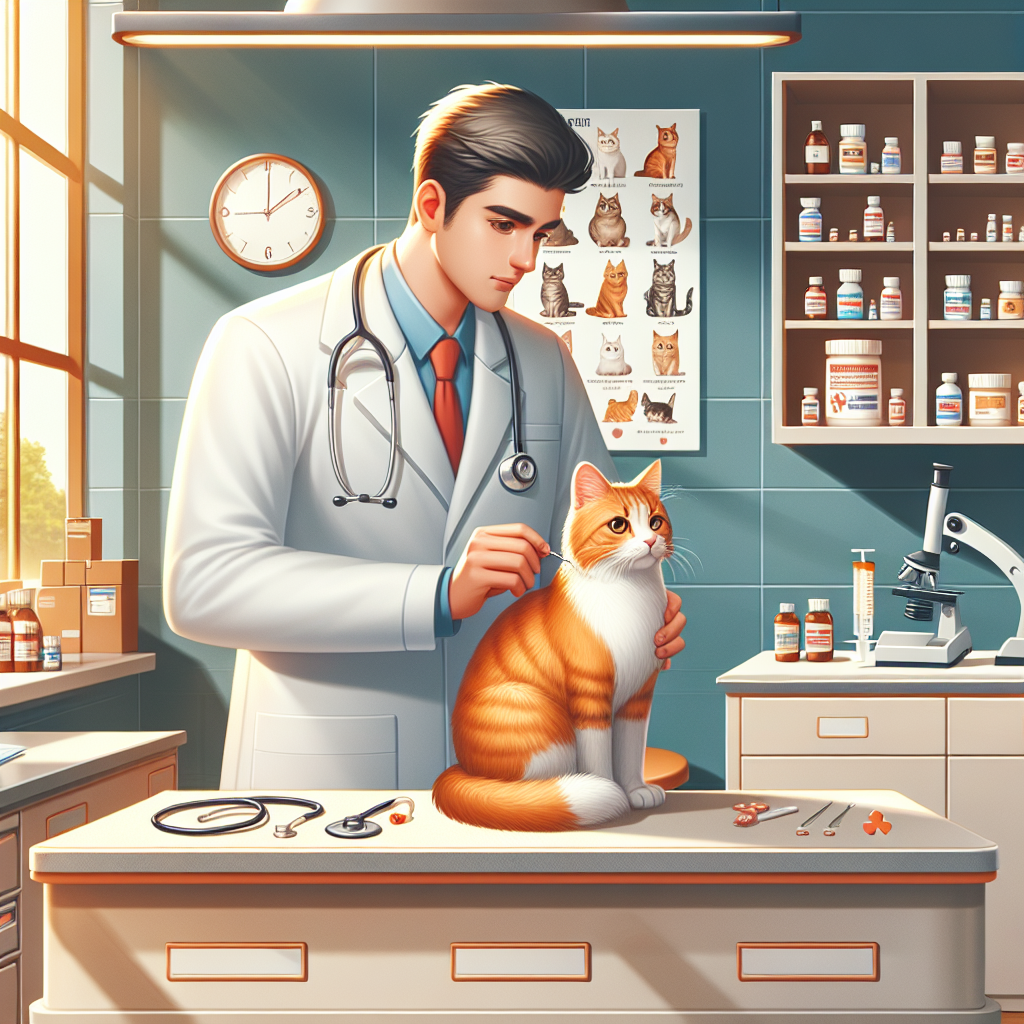
Just like humans, cats benefit from regular health check-ups. These visits allow your veterinarian to catch potential health issues early, ensuring they can be treated before they become serious. Routine exams typically include vaccinations, dental checks, and parasite prevention.
Stay Up-to-Date on Vaccinations
Vaccinations are vital in protecting your cat from common and potentially deadly diseases. Your vet can recommend a vaccination schedule based on your cat’s age, health, and lifestyle. Core vaccines typically include those for rabies, feline distemper, and feline herpesvirus.
Maintain Dental Health
Dental disease is a common problem in cats, often leading to pain and infection if not addressed. Regularly brushing your cat’s teeth with vet-approved toothpaste can help prevent dental issues. Additionally, providing dental treats and toys designed to clean teeth can support oral health.
Keep Them Active
Exercise is crucial for maintaining a healthy weight and preventing obesity-related diseases in cats. Encourage your cat to stay active by providing toys, scratching posts, and interactive play sessions. Laser pointers, feather wands, and puzzle feeders are excellent ways to keep your cat engaged and physically active.
Provide Mental Stimulation
In addition to physical exercise, cats need mental stimulation to prevent boredom and stress. Rotate toys regularly, introduce new activities, and consider teaching your cat tricks using positive reinforcement techniques. Providing a variety of scratching surfaces and climbing opportunities can also enrich your cat’s environment.
Ensure a Safe Environment
Cats are curious creatures, and their explorations can sometimes lead to dangerous situations. Make your home safe by removing toxic plants, securing loose wires, and keeping small objects out of reach. Ensure that your windows and balconies are secure to prevent falls.
Indoor vs. Outdoor Cats
While some cats enjoy outdoor adventures, the outside world poses numerous risks, including traffic, predators, and diseases. Consider keeping your cat indoors or providing a secure outdoor enclosure. If your cat does venture outside, ensure they are microchipped and have a collar with identification tags.
Grooming and Hygiene
Regular grooming is essential for your cat’s health and well-being. Brush your cat’s coat to prevent matting and reduce shedding. This is especially important for long-haired breeds. Regular grooming sessions also allow you to check for skin issues, parasites, or abnormalities.
Litter Box Maintenance
A clean litter box is crucial for your cat’s comfort and health. Scoop the box daily and change the litter regularly. Cats are particular about their bathroom habits, and a dirty litter box can lead to inappropriate elimination behaviors.
Understanding Behavioral Changes
Changes in your cat’s behavior can be a sign of underlying health issues. Pay attention to any changes in appetite, litter box habits, or activity levels. If you notice unusual behaviors, consult your veterinarian to rule out any medical problems.
Stress Reduction
Cats are sensitive to changes in their environment, and stress can affect their health. Minimize stress by providing a stable environment, maintaining a routine, and offering safe spaces for your cat to retreat. Pheromone diffusers and calming supplements may also help reduce stress.
Spay and Neuter
Spaying or neutering your cat is an essential step in responsible pet ownership. This not only helps control the pet population but also reduces the risk of certain cancers and behavioral issues. Discuss the appropriate age for this procedure with your veterinarian.
Conclusion
Caring for your cat’s health involves a combination of proper nutrition, regular veterinary care, and attention to their physical and mental well-being. By following these vet-approved tips, you can help ensure your feline friend lives a long, healthy, and happy life. Always consult your veterinarian for personalized advice tailored to your cat’s unique needs.
#ChatGPT assisted in the creation of this article.