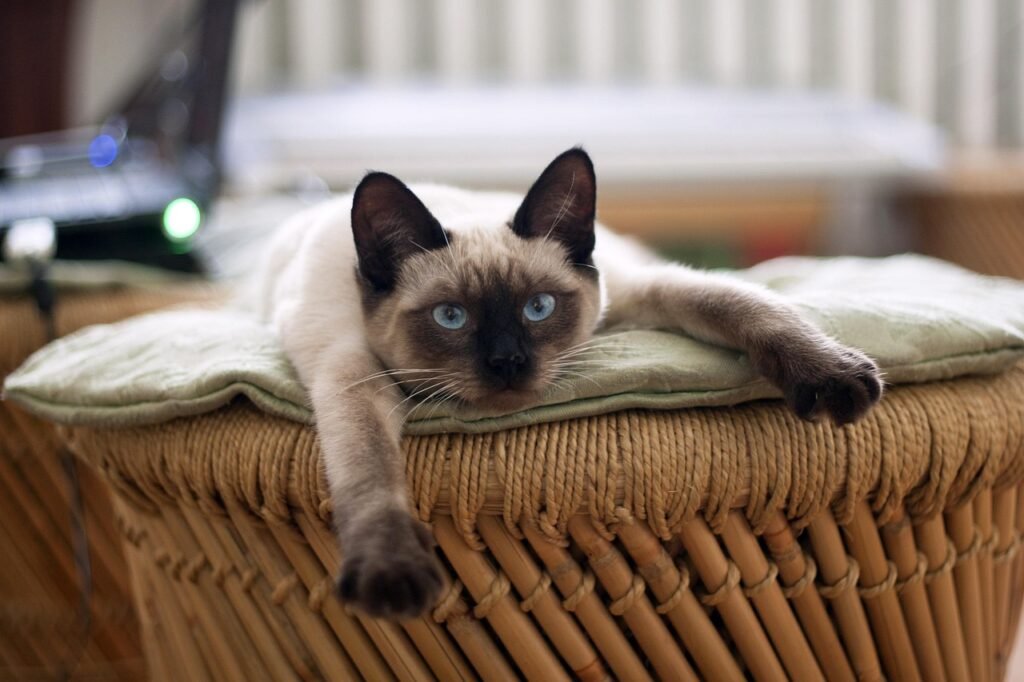
As our feline companions age, their needs and behaviors evolve. Just like humans, senior cats undergo various changes that require attention and care. Recognizing the signs of aging in senior cats is crucial for ensuring they enjoy a comfortable and healthy life in their golden years. This article delves into the key signs of aging in senior cats and offers insights into managing these changes effectively.
Understanding the Aging Process in Cats
Cats are generally considered seniors when they reach around seven to ten years of age. However, the signs of aging can vary widely among cats, depending on factors such as breed, genetics, and overall health. Understanding the typical aging process is the first step in providing the best care for your senior feline friend.
Physical Changes
One of the most noticeable aspects of aging in cats is the physical changes that occur. These changes can affect their mobility, appearance, and overall health.
– **Coat and Skin:** As cats age, their fur may lose its luster and become thinner. You might also notice more dandruff or dry skin. Regular grooming can help maintain their coat’s health and allow you to check for any unusual lumps or skin issues.
– **Weight Fluctuations:** Senior cats may experience weight gain or loss. Weight gain is often due to decreased activity levels, while weight loss can be indicative of underlying health issues such as hyperthyroidism or kidney disease. Regular weight monitoring is essential to detect any sudden changes.
– **Dental Health:** Dental problems are common in aging cats. You might notice bad breath, difficulty eating, or drooling. Regular dental check-ups and cleanings are vital to prevent infections and ensure your cat can eat comfortably.
Behavioral Changes
Aging also brings about changes in behavior, which can be subtle or pronounced. Understanding these changes helps in addressing your cat’s evolving needs.
– **Activity Level:** Older cats tend to be less active and may sleep more. While reduced activity is normal, a sudden decrease in energy might indicate discomfort or pain, often due to arthritis or other health issues.
– **Cognitive Function:** Cats can experience cognitive decline as they age, similar to dementia in humans. Signs include disorientation, changes in sleep patterns, and decreased interaction with family members. Providing mental stimulation through toys and puzzles can help keep their minds sharp.
– **Social Interaction:** Some senior cats may become more withdrawn, while others crave more attention. Changes in social behavior can be related to health issues, so it’s important to monitor these shifts and consult with a veterinarian if necessary.
Common Health Issues in Senior Cats
As cats age, they become more susceptible to various health issues. Recognizing these common problems early can lead to better management and improved quality of life.
Arthritis
Arthritis is a common ailment in senior cats, characterized by inflammation and pain in the joints. Symptoms include stiffness, reluctance to jump or climb, and changes in grooming habits. Providing joint supplements, weight management, and a comfortable living environment can help alleviate discomfort.
Kidney Disease
Chronic kidney disease (CKD) is prevalent in older cats. Signs include increased thirst, frequent urination, weight loss, and poor coat condition. Early detection through regular veterinary check-ups and blood tests is crucial for managing CKD and slowing its progression.
Hyperthyroidism
Hyperthyroidism is a condition where the thyroid gland produces excessive hormones, leading to increased metabolism. Symptoms include weight loss despite increased appetite, hyperactivity, and vomiting. Medication and dietary changes are common treatments for managing this condition.
Diabetes
Diabetes can develop in senior cats, often signaled by increased thirst, frequent urination, and weight loss. A combination of insulin therapy and a specialized diet is typically required to manage diabetes effectively.
Dental Disease
Dental problems are not only uncomfortable but can lead to more serious health issues if left untreated. Regular dental care, including cleanings and check-ups, is essential to maintain oral health and prevent infections.
Monitoring and Care Tips for Senior Cats
Providing the best care for your senior cat involves regular monitoring and making adjustments to their lifestyle to accommodate their changing needs.
Regular Veterinary Check-ups
Frequent veterinary visits are essential as your cat ages. Bi-annual check-ups can help detect health issues early and ensure your cat receives the appropriate care and treatment.
Nutrition
Senior cats have different nutritional needs compared to younger cats. Consult with your veterinarian to choose a diet that supports your cat’s health, taking into account any medical conditions they may have.
Exercise and Mental Stimulation
While older cats may be less active, regular play and mental stimulation are still important. Gentle play sessions, interactive toys, and safe outdoor exploration can keep them physically and mentally engaged.
Comfortable Living Environment
Ensure your home is senior-cat-friendly by providing easy access to their favorite resting spots, litter boxes, and food and water dishes. Consider adding ramps or steps to help them access higher areas without strain.
Grooming
Regular grooming helps keep your cat’s coat healthy and is an opportunity to check for any physical changes or health issues. It also provides an excellent bonding experience.
Conclusion
Recognizing the signs of aging in senior cats is crucial for ensuring they receive the care and attention they need. By understanding the physical and behavioral changes that occur with age, and being aware of common health issues, pet owners can provide a supportive and enriching environment for their aging feline companions. Regular veterinary care, proper nutrition, and continued mental and physical stimulation are key components in helping senior cats enjoy their golden years to the fullest.
“`
#ChatGPT assisted in the creation of this article.