Feline diabetes, also known as diabetes mellitus, is a growing concern among cat owners. This condition can significantly impact a cat’s quality of life if not identified and managed properly. Understanding the key symptoms of feline diabetes can aid in early diagnosis and improve the chances of effective treatment. In this article, we’ll explore the crucial signs to watch for in your feline friend, how the condition is diagnosed, and the steps you can take to manage it.
Understanding Feline Diabetes
Feline diabetes is a chronic condition where a cat’s body either cannot produce enough insulin or cannot use insulin effectively. Insulin is a hormone produced by the pancreas that helps regulate blood glucose levels. When insulin is insufficient or ineffective, glucose builds up in the bloodstream, leading to various health issues.
There are two main types of diabetes in cats:
- Type 1 Diabetes: This type is less common in cats and involves the destruction of insulin-producing cells in the pancreas.
- Type 2 Diabetes: This is more prevalent and occurs when the body becomes resistant to insulin or when the pancreas doesn’t produce enough insulin.
Key Symptoms of Feline Diabetes
Recognizing the symptoms of feline diabetes early is crucial for successful management. Here are the primary signs to look out for:
Increased Thirst and Urination
One of the most noticeable symptoms is polydipsia, or increased thirst, often accompanied by polyuria, or frequent urination. If you observe your cat drinking more water than usual and making more frequent trips to the litter box, it could be a sign of diabetes. This occurs because the body is trying to eliminate excess glucose through urine, leading to dehydration and increased thirst.
Weight Loss Despite Increased Appetite
Cats with diabetes often experience unexplained weight loss while maintaining or even increasing their appetite, a condition known as polyphagia. This happens because, without sufficient insulin, the body cannot use glucose for energy and starts breaking down fat and muscle tissue as an alternative energy source.
Lethargy and Weakness
Diabetic cats may appear lethargic and weak, often preferring to rest more than usual. Lack of energy is a result of the body’s inability to convert glucose into usable energy, leaving the cat feeling tired and weak.
Unkempt Coat
A decline in grooming habits can lead to a dull, unkempt coat. Cats are generally meticulous groomers, so a noticeable change in their grooming routine can indicate an underlying issue such as diabetes.
Sweet-Smelling Breath
In some cases, diabetic cats may develop a sweet or fruity odor to their breath, which is a sign of ketoacidosis, a severe complication of diabetes. This occurs when the body starts breaking down fats at a rapid rate, leading to the production of ketones.
Diagnosing Feline Diabetes
If you notice any of these symptoms in your cat, it is essential to consult your veterinarian. A proper diagnosis of feline diabetes involves several steps:
Physical Examination
Your veterinarian will start with a thorough physical exam to assess your cat’s overall health and check for any signs of diabetes.
Blood Tests
Blood tests are crucial for diagnosing diabetes. They measure glucose levels in the blood and help determine if they are consistently elevated. Additionally, fructosamine tests can provide insights into average blood sugar levels over the past few weeks.
Urinalysis
Urinalysis can detect the presence of glucose and ketones in the urine, both of which are indicators of diabetes. High glucose levels in the urine suggest that the kidneys are attempting to excrete excess glucose from the bloodstream.
Managing Feline Diabetes
Once diagnosed, managing feline diabetes involves a combination of dietary changes, medication, and regular monitoring. Here are some key strategies:
Dietary Management
Diet plays a vital role in managing diabetes. A high-protein, low-carbohydrate diet can help regulate blood sugar levels. Your veterinarian may recommend a prescription diet specifically formulated for diabetic cats. Consistency in feeding times and portion sizes is also crucial.
Insulin Therapy
Most diabetic cats require insulin injections to manage their condition. Your veterinarian will guide you on how to administer these injections at home. Regular monitoring of blood glucose levels is essential to adjust insulin dosage as needed.
Regular Veterinary Check-Ups
Frequent check-ups with your veterinarian are necessary to monitor your cat’s progress and make any necessary adjustments to their treatment plan. This includes regular blood tests to ensure blood glucose levels remain within the target range.
Monitoring at Home
Home monitoring of your cat’s behavior, appetite, water intake, and weight is vital. Any sudden changes should be reported to your veterinarian promptly. Some pet owners also use home glucose monitoring devices to keep track of their cat’s blood sugar levels.
Preventing Feline Diabetes
While not all cases of feline diabetes can be prevented, certain measures can reduce the risk:
Maintain a Healthy Weight
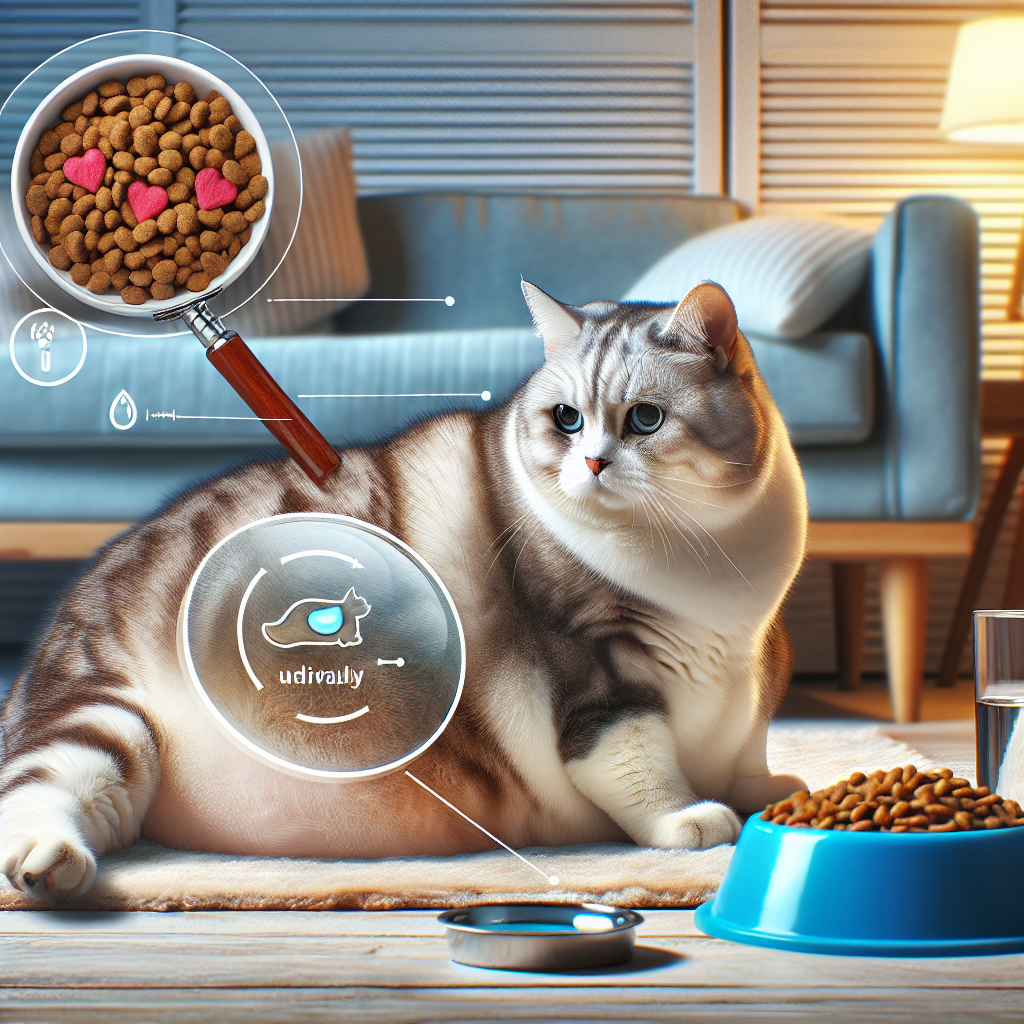
Obesity is a significant risk factor for diabetes in cats. Ensure your cat maintains a healthy weight through a balanced diet and regular exercise. Avoid overfeeding and provide interactive play sessions to keep your cat active.
Regular Veterinary Check-Ups
Routine veterinary visits are essential for early detection of potential health issues. Regular check-ups allow your veterinarian to monitor your cat’s overall health and catch any signs of diabetes early.
Feed a Balanced Diet
Providing a nutritionally balanced diet that is appropriate for your cat’s age, size, and activity level can help prevent obesity and reduce the risk of diabetes.
Conclusion
Spotting the early signs of feline diabetes is crucial for ensuring your cat receives the care they need. By staying vigilant and proactive, you can significantly improve your cat’s quality of life, even with a diabetes diagnosis. Remember to consult your veterinarian if you notice any of the symptoms discussed in this article. With proper management, many diabetic cats live long and healthy lives.
#ChatGPT assisted in the creation of this article.