Aging is a natural part of life that affects all creatures, including our beloved feline companions. As cats enter their senior years, their physical abilities and needs change, requiring adjustments in their environment to ensure comfort and well-being. This article will guide you on how to transform your home into a haven for your senior cat, addressing their evolving needs while maintaining their quality of life.
Understanding the Needs of Senior Cats
Senior cats, generally those aged seven or above, often experience changes in mobility, vision, hearing, and health. These changes necessitate an environment that accommodates their needs while minimizing stress and maximizing comfort. By understanding these needs, you can make informed adjustments to your home.
Mobility Challenges
Arthritis and joint issues are common in older cats, leading to decreased mobility. Jumping, climbing, and even walking can become challenging. It’s crucial to create an environment that allows them to navigate their home comfortably.
Changes in Sensory Perception
Age can affect a cat’s vision and hearing. Senior cats may have trouble seeing in low light or hearing soft sounds, which can impact their ability to interact with their environment and their owners.
Health Considerations
Older cats are more prone to health issues such as kidney disease, diabetes, and dental problems. Regular veterinary care and a home setup that supports their health needs are essential.
Creating an Accessible Environment
To help your senior cat navigate their home with ease, consider making the following changes:
Provide Ramps and Steps
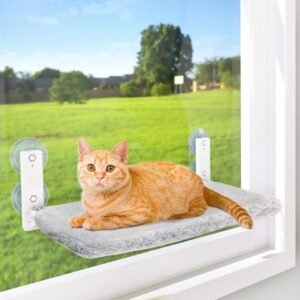
Install ramps or steps to help your cat access their favorite resting spots, such as beds or windowsills. This ensures they can enjoy their usual activities without the strain of jumping.
Optimize Litter Box Accessibility
Choose a litter box with low sides to make entry and exit easier for your senior cat. Place the box in a quiet, easily accessible location, and consider adding multiple boxes throughout the house to minimize travel distance.
Ensure Safe and Easy Navigation
Keep pathways clear of obstacles and provide stable flooring to prevent slips and falls. Carpeted areas or rugs with non-slip backing can offer additional security.
Enhancing Comfort
Comfort is key to a senior cat’s well-being. Create a cozy and relaxing environment with these tips:
Provide Warm and Soft Bedding
Offer plush, warm bedding in quiet areas of the house. Consider heated beds or pads for additional warmth, especially during colder months, as senior cats often appreciate extra heat.
Create Quiet Retreats
Set up cozy nooks away from noise and household traffic where your cat can rest undisturbed. This is particularly important if your cat is sensitive to loud sounds or sudden movements.
Maintain a Consistent Routine
Cats thrive on routine, and this is especially true for seniors. Maintain consistent feeding times, play sessions, and bedtime to help your cat feel secure and comfortable.
Supporting Health and Well-being
In addition to environmental changes, supporting your senior cat’s health is crucial. Consider the following measures:
Regular Veterinary Check-ups
Schedule regular veterinary visits to monitor your cat’s health and catch any potential issues early. Discuss any concerns with your vet and follow their recommendations for diet, supplements, and medications.
Provide a Balanced Diet
A nutritious diet tailored to senior cats can help manage weight, support joint health, and address specific health concerns. Consult your vet for dietary recommendations and consider incorporating supplements if necessary.
Encourage Gentle Exercise
While senior cats may not be as active as they once were, they still benefit from regular, gentle exercise. Provide toys and engage in light play sessions to keep them mentally and physically stimulated.
Adapting to Sensory Changes
As your cat’s senses change with age, adapt their environment to accommodate these shifts:
Enhance Visibility
Ensure your home is well-lit, especially in areas your cat frequents. Nightlights can help them navigate in the dark, reducing the risk of disorientation or accidents.
Facilitate Communication
If your cat’s hearing is declining, use visual cues to communicate. Hand signals, vibrations, or gentle touch can help maintain your connection and provide reassurance.
Maintain Familiar Scents
Cats rely heavily on scent for familiarity and comfort. Avoid drastic changes to their environment and maintain the scent of their favorite items, such as blankets or toys.
Conclusion
Transforming your home for senior cat comfort involves understanding their unique needs and making thoughtful adjustments. By providing an accessible, comfortable environment, supporting their health, and accommodating sensory changes, you can ensure your aging feline friend enjoys their golden years with dignity and happiness. Remember, every small change contributes significantly to their overall well-being, allowing you to cherish the special bond you share for years to come.
#ChatGPT assisted in the creation of this article.